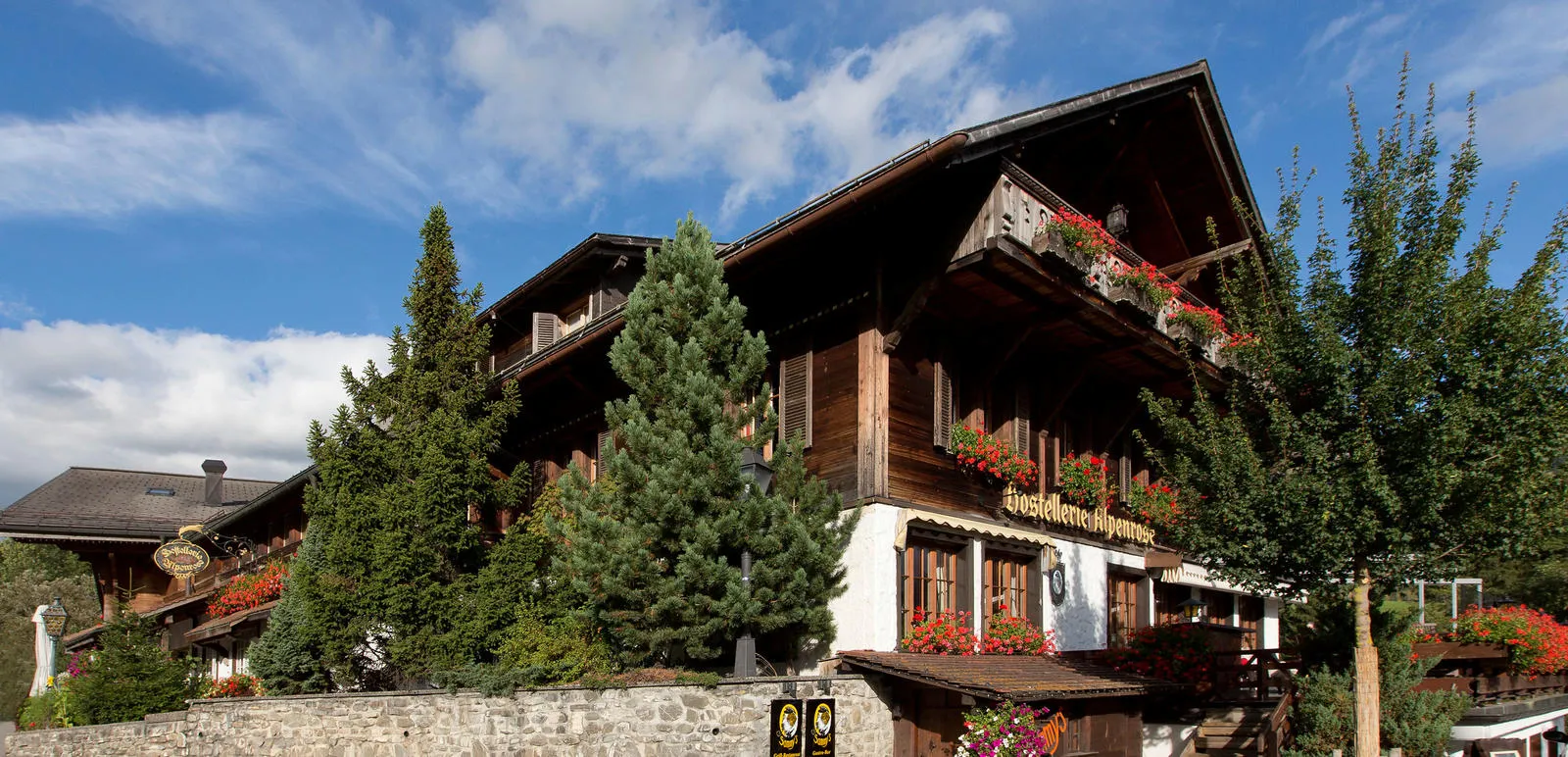
The Michelin star is the restaurant badge everyone recognises. The Gault Millau point — on a 20-point scale, reissued annually in Switzerland by Gault Millau Switzerland — is the rating system Swiss diners actually use to decide where to book. This is a short, plain-language guide to what the points mean in 2026, how to read them on a Saanenland card, and where Gstaad’s Gault Millau-rated restaurants sit on the scale.
The scale
Gault Millau Switzerland issues points on a 20-point scale, but the functional working range is 12 to 19. Anything above 19 is practically unheard of (Switzerland has had one 19.5-point restaurant in recent memory). Anything below 12 is not rated.
- 12 points: a well-run kitchen that cares. Honest cooking, no ambition beyond a good plate. Village bistro level.
- 13 points: solid regional cooking with some technique. Most proud village hotels sit here.
- 14 points: the serious threshold. At 14 points the chef has crossed from good-village-cooking into something the guide wants to flag as distinct.
- 15 points: one-Michelin-star equivalent in most cantons. Quiet technical command, consistent sourcing.
- 16 points: very strong. Usually one Michelin star in a hotel setting. In Gstaad, Restaurant Sonnenhof in Saanen sits at 16 points.
- 17 points: Michelin-star territory proper. Sommet by Martin Göschel at The Alpina Gstaad holds 17.
- 18 points: classical high haute cuisine. Restaurant Chesery under Robert Speth has held 18 points in recent editions.
- 19 points: country-level reference kitchens. Switzerland has perhaps ten.
- 19.5 / 20: hypothetical in practice.
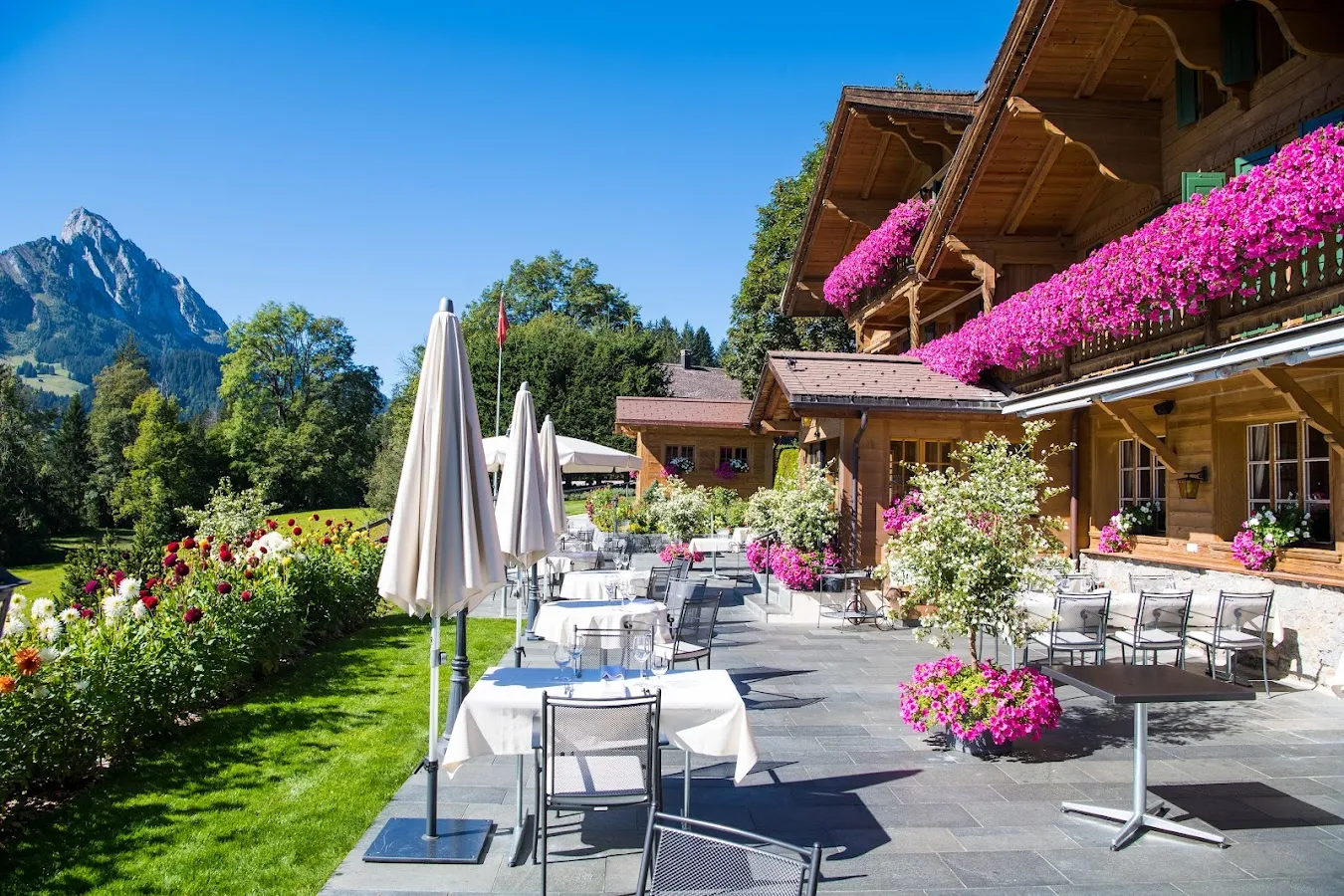
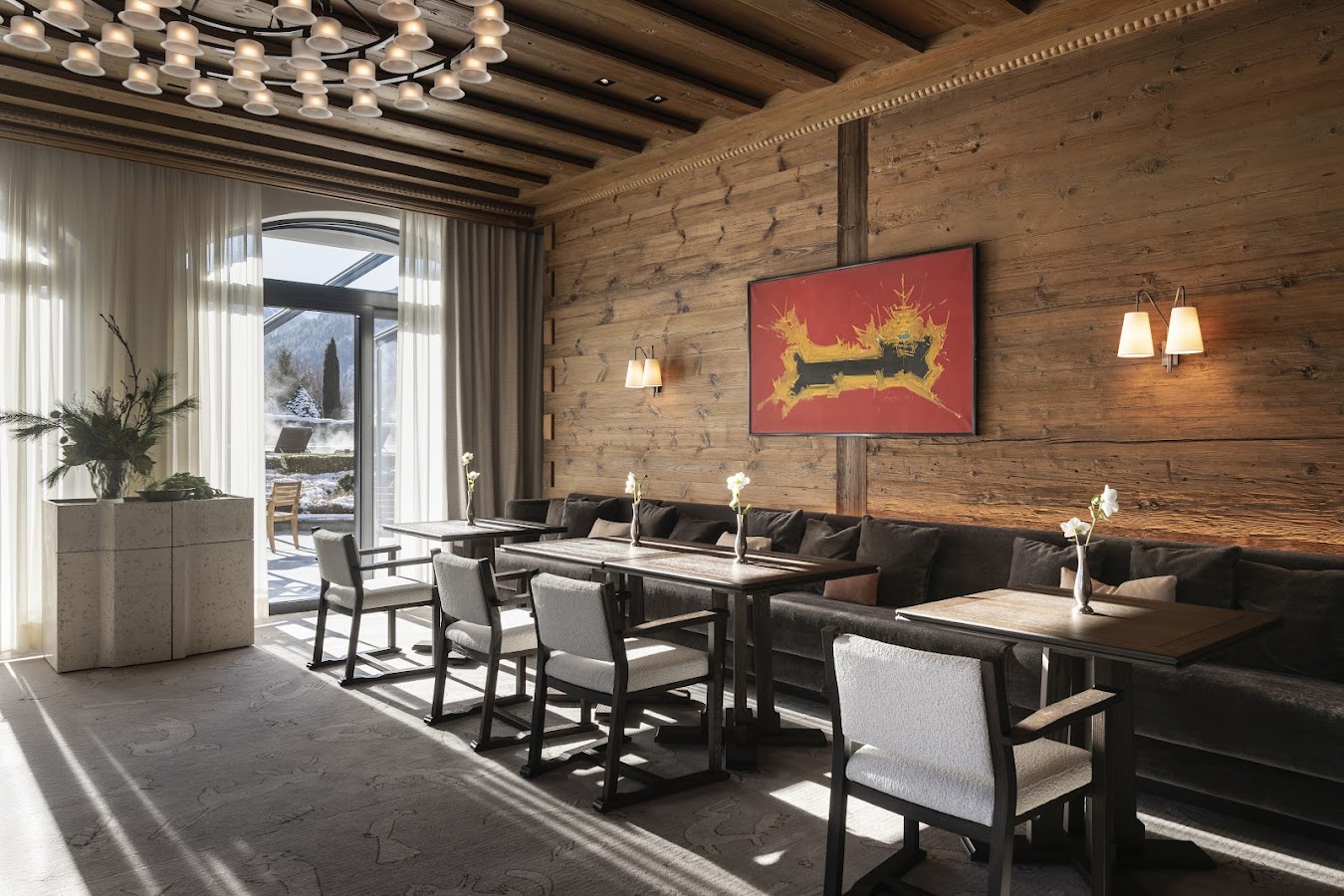
What a point difference feels like at the table
Between 13 and 15 points the change is measurable but sometimes subtle — more consistent sourcing, cleaner saucing, a more coherent card. Between 15 and 17 points the change is obvious to most diners — there is technical finesse, a considered wine programme, and the kitchen is confident enough to drop simple dishes from the menu entirely. Between 17 and 19 points the change is almost philosophical — ingredient access becomes a limiting factor, the chef’s identity is unmistakable on the plate, and the staff culture feels different.
The interval that matters most to a visiting diner is therefore the 15-to-17 range. Below 15 you are choosing on other criteria (atmosphere, price, location). Above 17 you are choosing between reference rooms and budget becomes the constraint.
Relationship to Michelin
Gault Millau and Michelin overlap but do not move in lockstep. A Michelin star typically correlates with 15-17 Gault Millau points; a two-star correlates with 18. But there are plenty of 16-point restaurants in Switzerland without a Michelin star — Restaurant Sonnenhof in Saanen is a good example — and occasionally a Michelin star at 14 points (usually a new entrant).
Local Swiss diners tend to trust Gault Millau more than Michelin for regional Swiss kitchens, because the editors know the canton-by-canton produce landscape in a way the Michelin inspectors sometimes do not. For classical fine dining (French technique, international plate) Michelin is usually the more reliable sort.
Gstaad’s Gault Millau roster
A current picture of the Saanenland entries:
- 18 points: Chesery — the classical Swiss haute cuisine flagship under Robert Speth.
- 17 points: Sommet at The Alpina Gstaad under Martin Göschel.
- 16 points: Restaurant Sonnenhof in Saanen, run by Louise and Erich Baumer. One of the few non-hotel restaurants in the valley at this rating.
- 15-16 points: LEONARD’s at Le Grand Bellevue typically sits in this band.
- 14 points: Restaurant Azalée in Schönried, a small chalet fine-dining room that rates consistently well.
- 14 points: La Bagatelle at Hotel Le Grand Chalet, a long-standing French fine-dining room.
- 13-14 points: The Mansard in Gstaad, a modern Swiss room.
Ratings shift yearly; always confirm the current edition before a booking where the points matter.
Mentioned
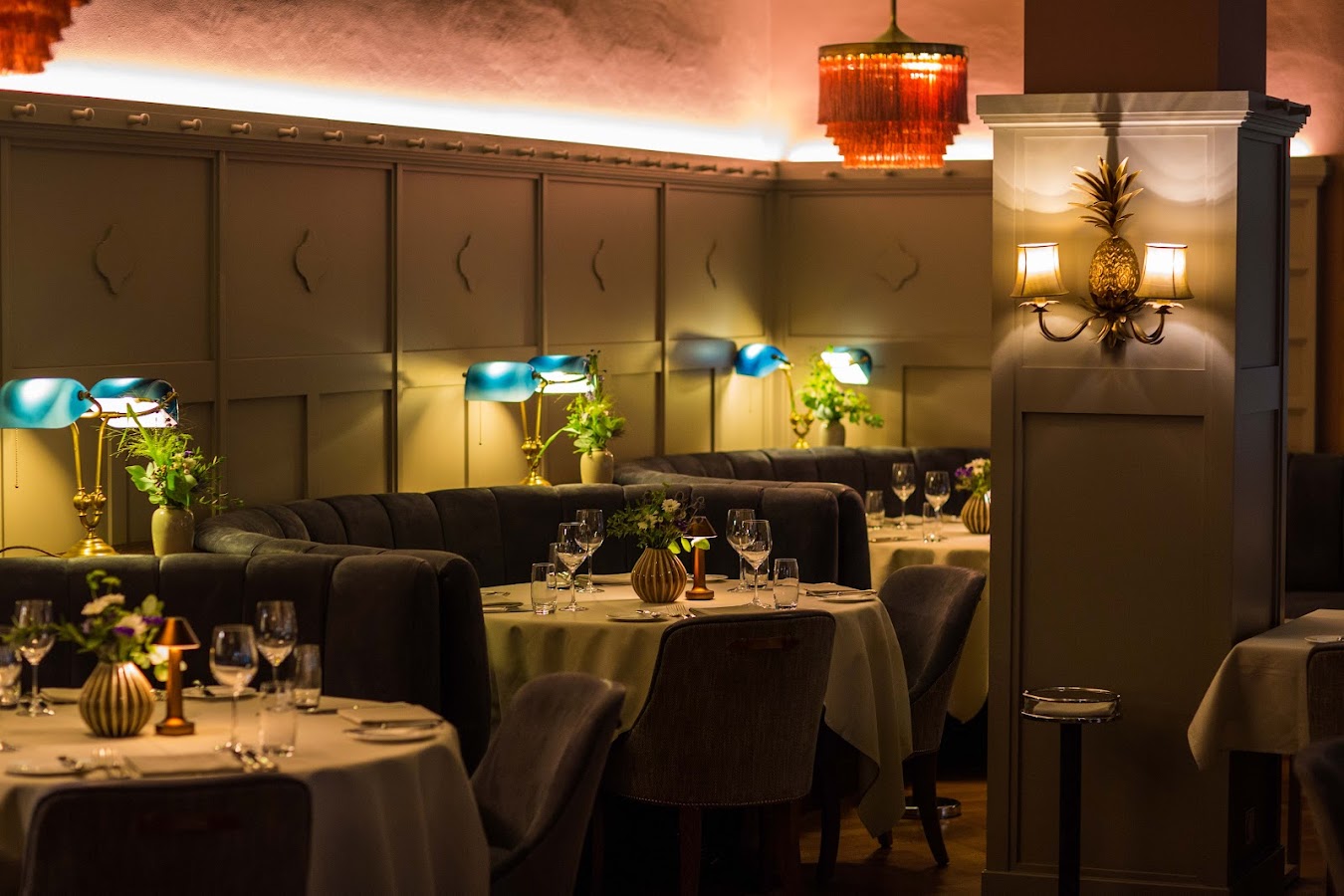
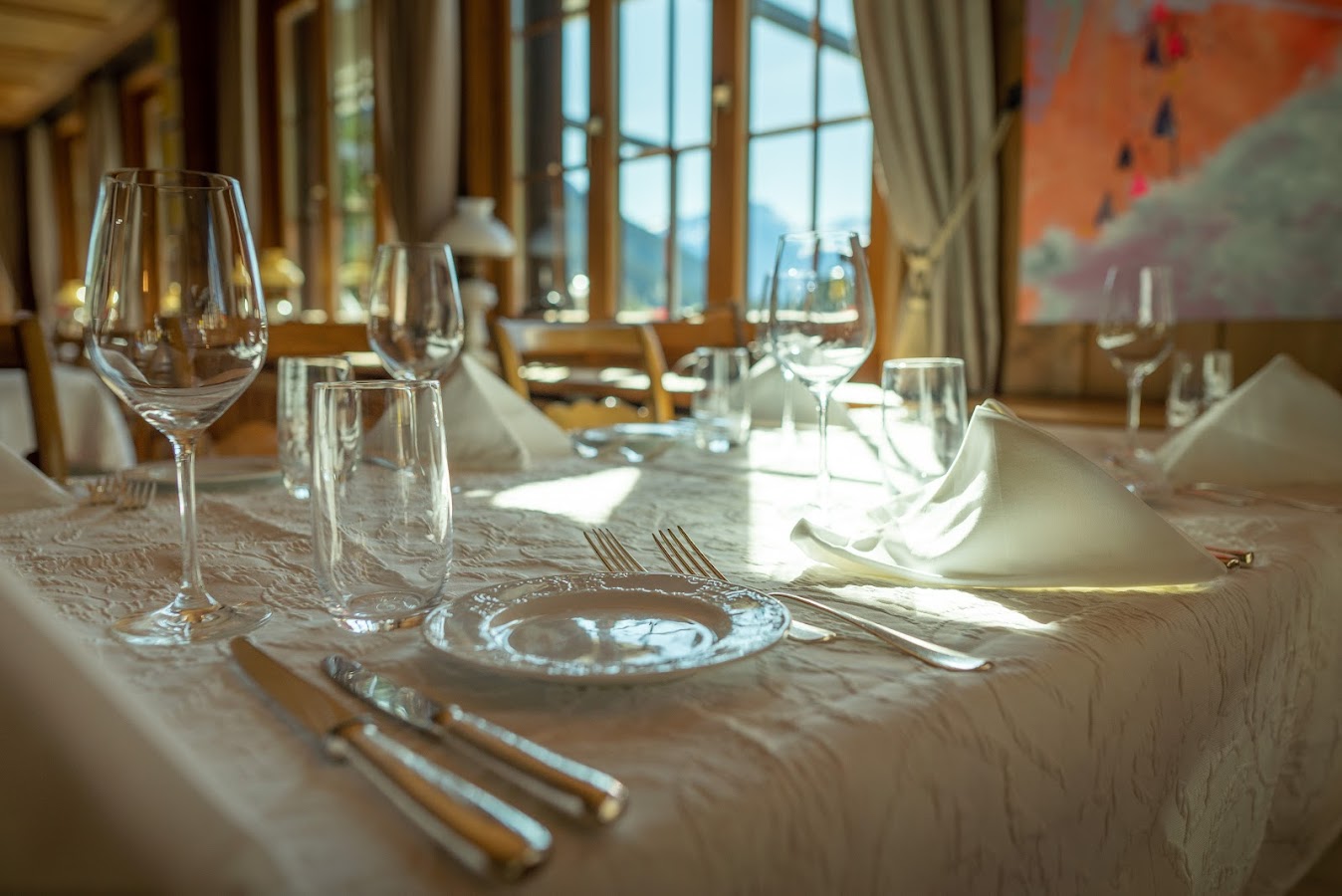
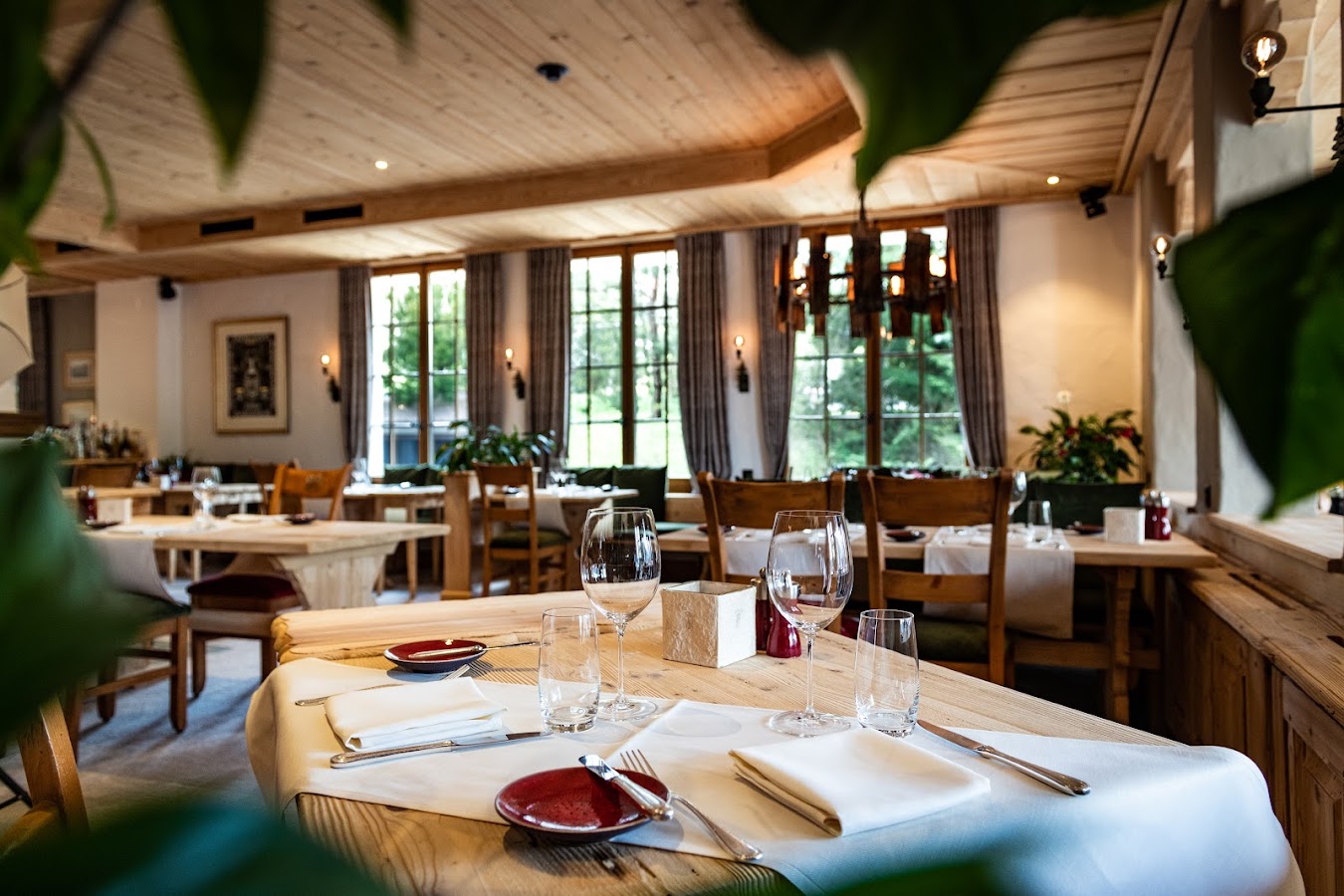
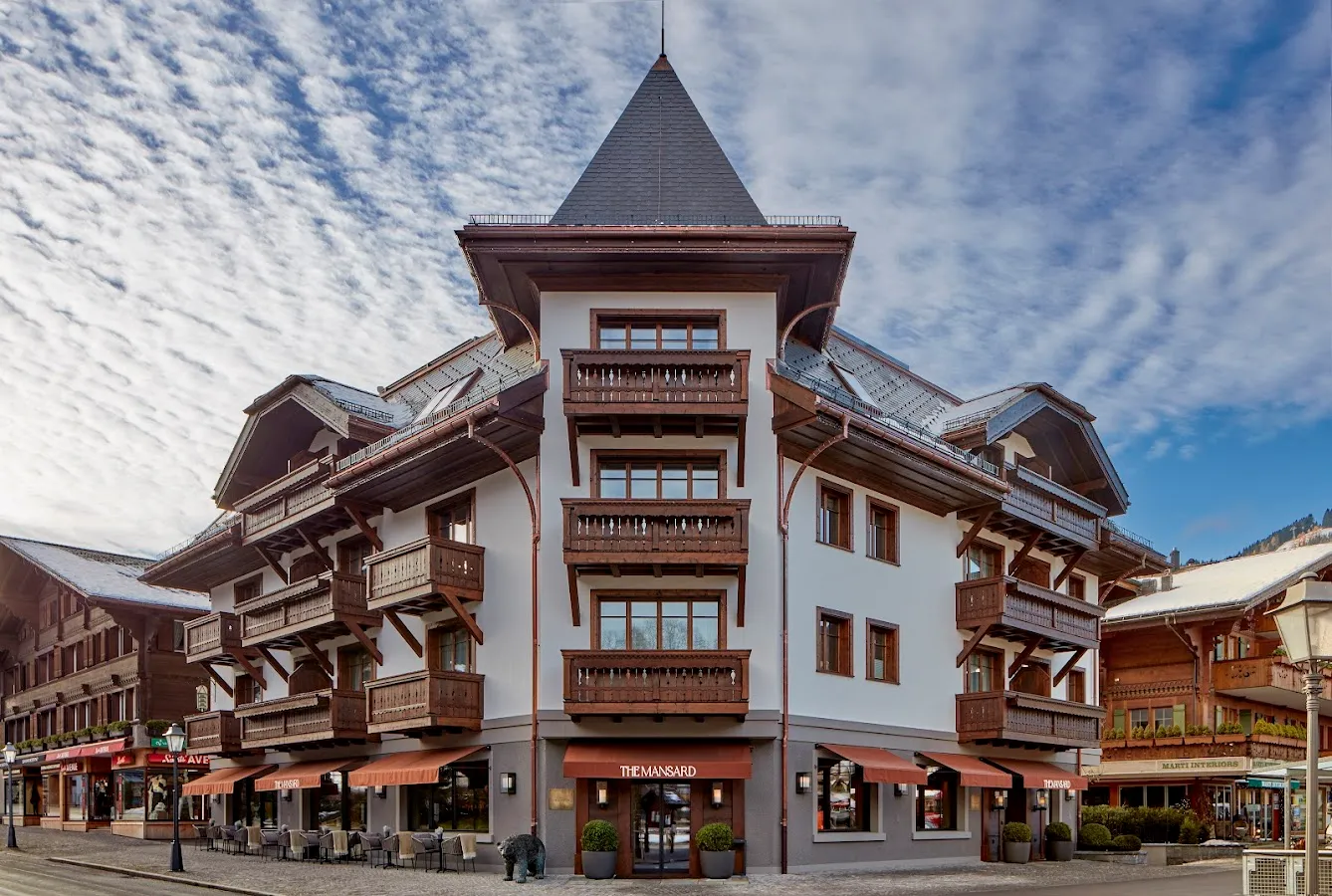
Ask us to book
Want us to plan a points-curated restaurant week (one 14, one 16, one 17+)? Send dates and party size.
Send WhatsAppHow to read a rating on a village card
Restaurants display their Gault Millau points more visibly than their Michelin status — usually on the front of the menu, on the door, and in their own marketing. The diner-relevant reading rules:
- A 14-point restaurant in a small Saanenland village is a genuine discovery. It means the local Gault Millau inspector made a special trip and came back satisfied.
- A 16-point village restaurant (Sonnenhof) punches far above its weight. These are usually the best-value tables in the valley — you are eating at one-star technical level without the one-star hotel room surcharge.
- A 17+ point restaurant, without exception in the Saanenland, sits inside a grand hotel.
In Switzerland, the honest way to choose a restaurant is Gault Millau points. The star is for tourists; the number is for the cook.
How to book by points
A practical rule for a week-long Saanenland trip: book one 17+ dinner (Chesery, Sommet, or LEONARD’s), one 16-point dinner (Sonnenhof), and one 14-point discovery (Azalée, Bagatelle or the Mansard). That spread covers the full Gault Millau range without spending every evening at the top end, and it gives you a calibration point for your own palate.
Booking lead time scales roughly with points: 14-point tables usually take a 48–72 hour lead, 16-point tables a week, 17+ tables two to four weeks in peak season.
Ready to book?
Hi, please plan a Gault Millau week for us in Gstaad. Dates: Party size: Budget preference (no ceiling / under CHF 300pp / under CHF 180pp):
Ask us on WhatsApp