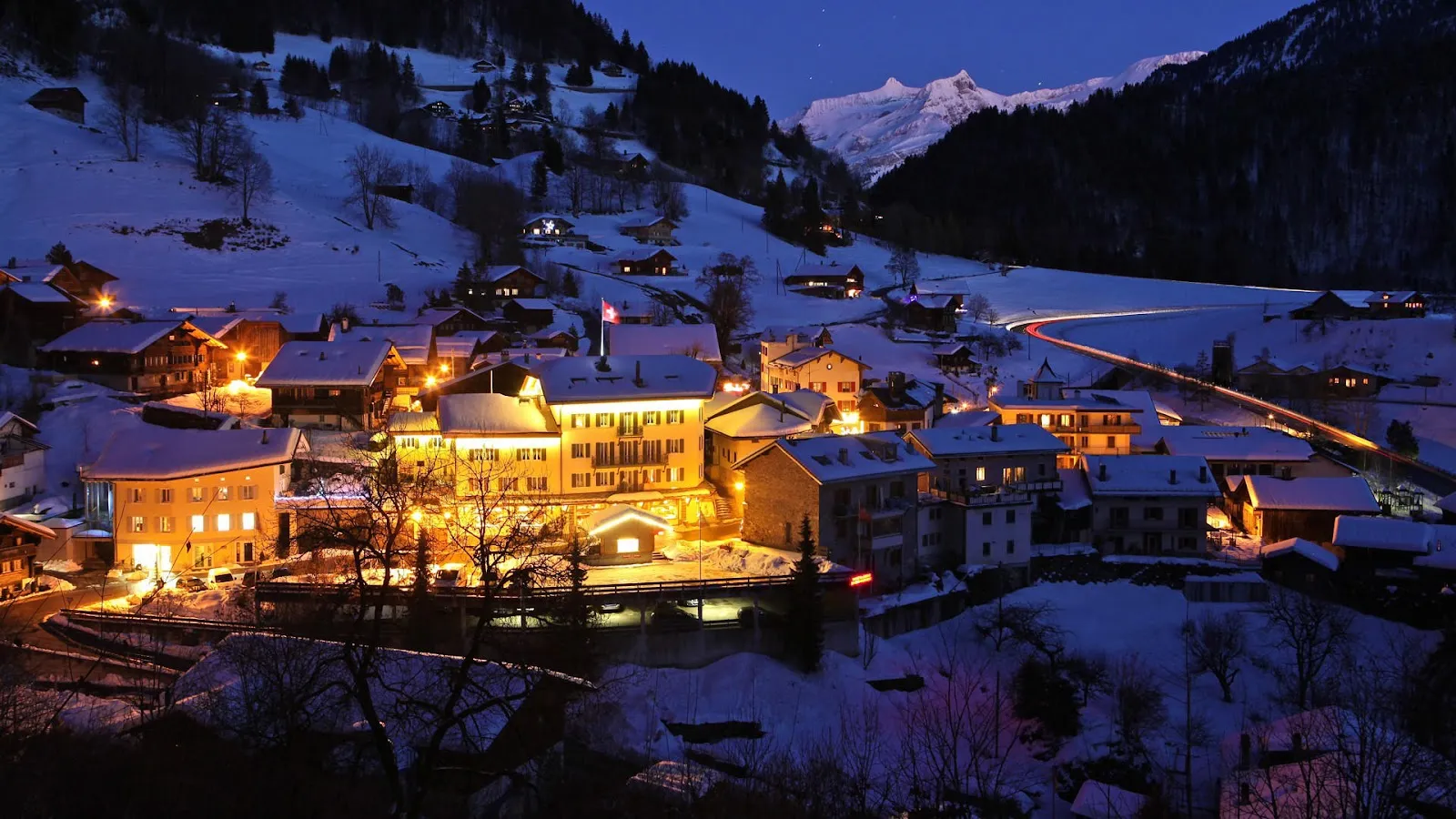
Someone who has only ever skied Verbier or Zermatt arrives in Gstaad expecting a smaller version of what they know. They are wrong. The Saanenland operates on different cheeses, different cantonal food laws, a different language mix, and a different relationship between hotels and chefs. This piece is the comparison an honest concierge would make if you asked them, over a drink, where to go next.
The Michelin-density number
Gstaad currently runs three active Michelin stars — Chesery, LEONARD’s at Le Grand Bellevue, and Sommet by Martin Göschel — in a resident population of roughly 3,500. That is a density of one star per 1,160 residents.
Verbier, residents roughly 3,000, typically carries two to three stars depending on the season. Similar density, smaller pool.
Zermatt, residents roughly 5,800, carries two active stars plus several Gault Millau rated rooms. Lower density, bigger absolute count.
On raw numbers the three villages are in the same league. The difference is the type of star.
Chef lineage and the length of tenure
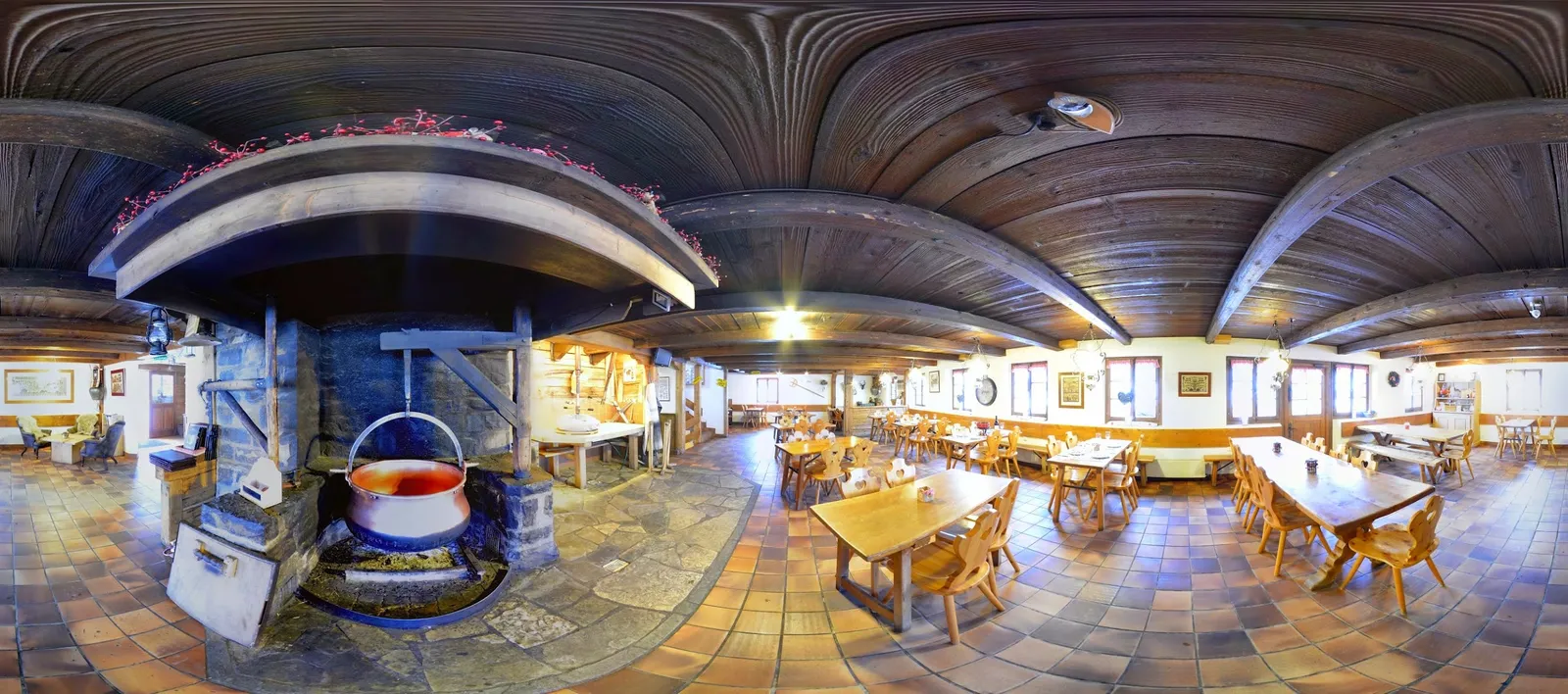
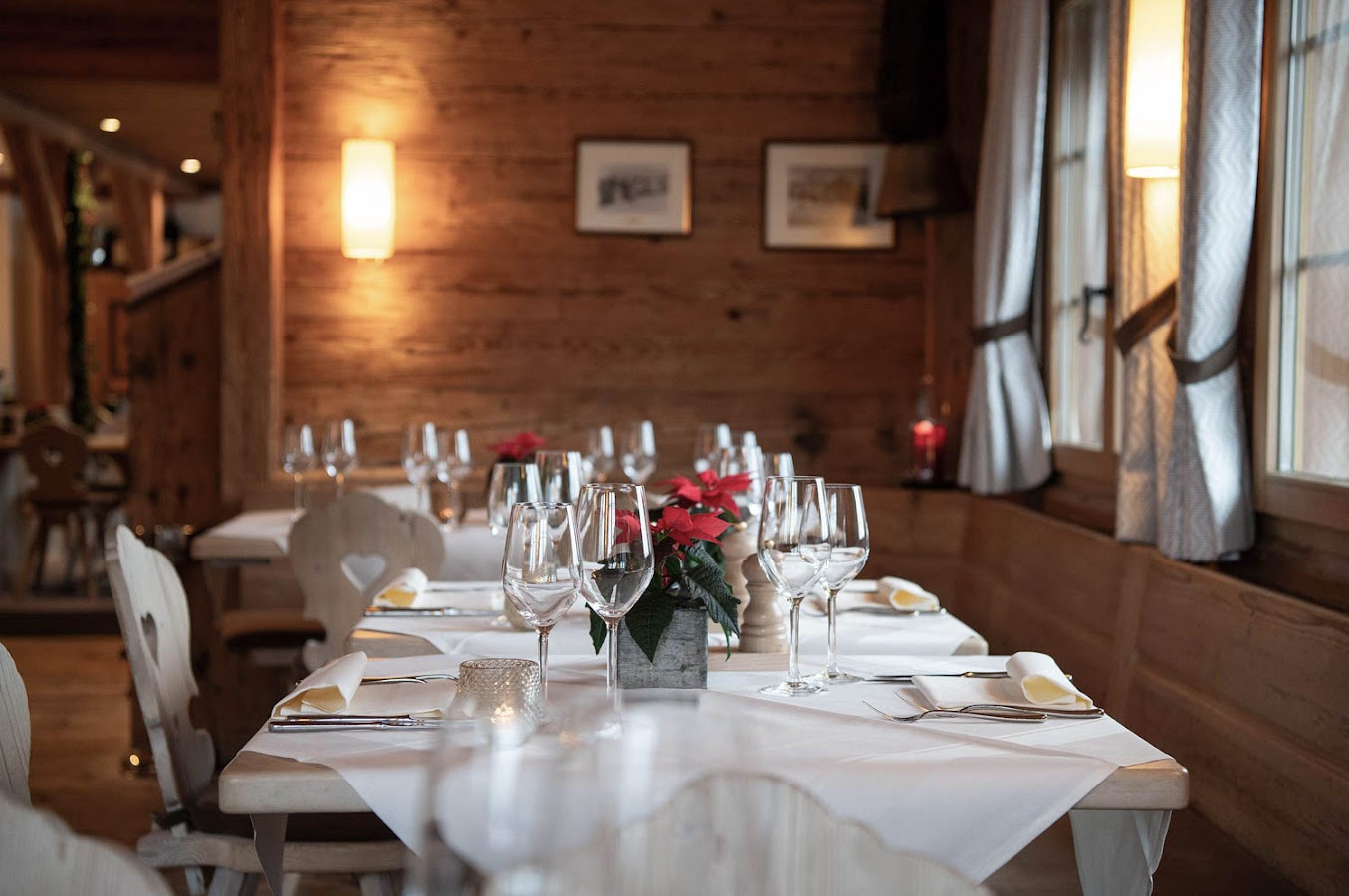
Gstaad’s strongest distinguishing feature is how long the chefs stay. Robert Speth has cooked at Chesery since 1984 — 42 years in the same kitchen. Posthotel Rössli has been run by the same family since 1845. The Wasserngrat berghaus has been in continuous operation under family management through four generations.
Verbier and Zermatt turn over chefs more quickly, partly because both resorts have more seasonal hotels and therefore more rotating kitchens. A ten-year chef tenure in Zermatt is very rare; a ten-year tenure in Gstaad is common.
This matters for the diner in one specific way: Gstaad menus evolve slowly. A dish you ate in 2014 is likely still on the card. For visitors who come back every season, that continuity is the whole point.
The language seam
Gstaad sits on the Bernese-Vaud cantonal border. A ten-minute MOB train ride south from the village takes you from German-speaking Saanen into French-speaking Rougemont. The Pays-d’Enhaut is just across the frontier. Menus in the Gstaad valley therefore often appear in three languages (German, French, English) and local recipes draw from both traditions: the Bernese Rösti and Älplermagronen on one side, the Vaudois Saucisson, papet vaudois and Chasselas from Lavaux on the other.
Verbier is monolingually French and in the Valais — its food is Valaisan (Petite Arvine, Humagne, raclette du Valais, viande séchée). Zermatt is monolingually German-speaking Haut-Valais but serves Valaisan food with Bernese inflections. Gstaad is the only one of the three where you will read a Rougemont Gruyère and a Berner Alpkäse on the same plate.
Hotel vs standalone restaurants
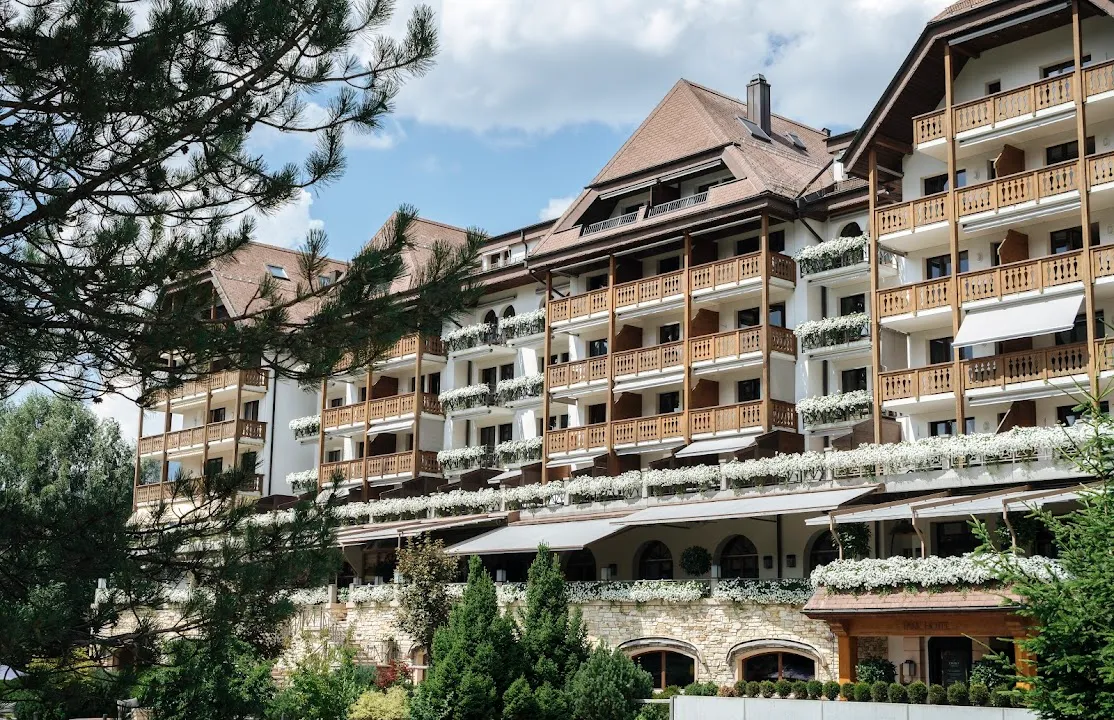
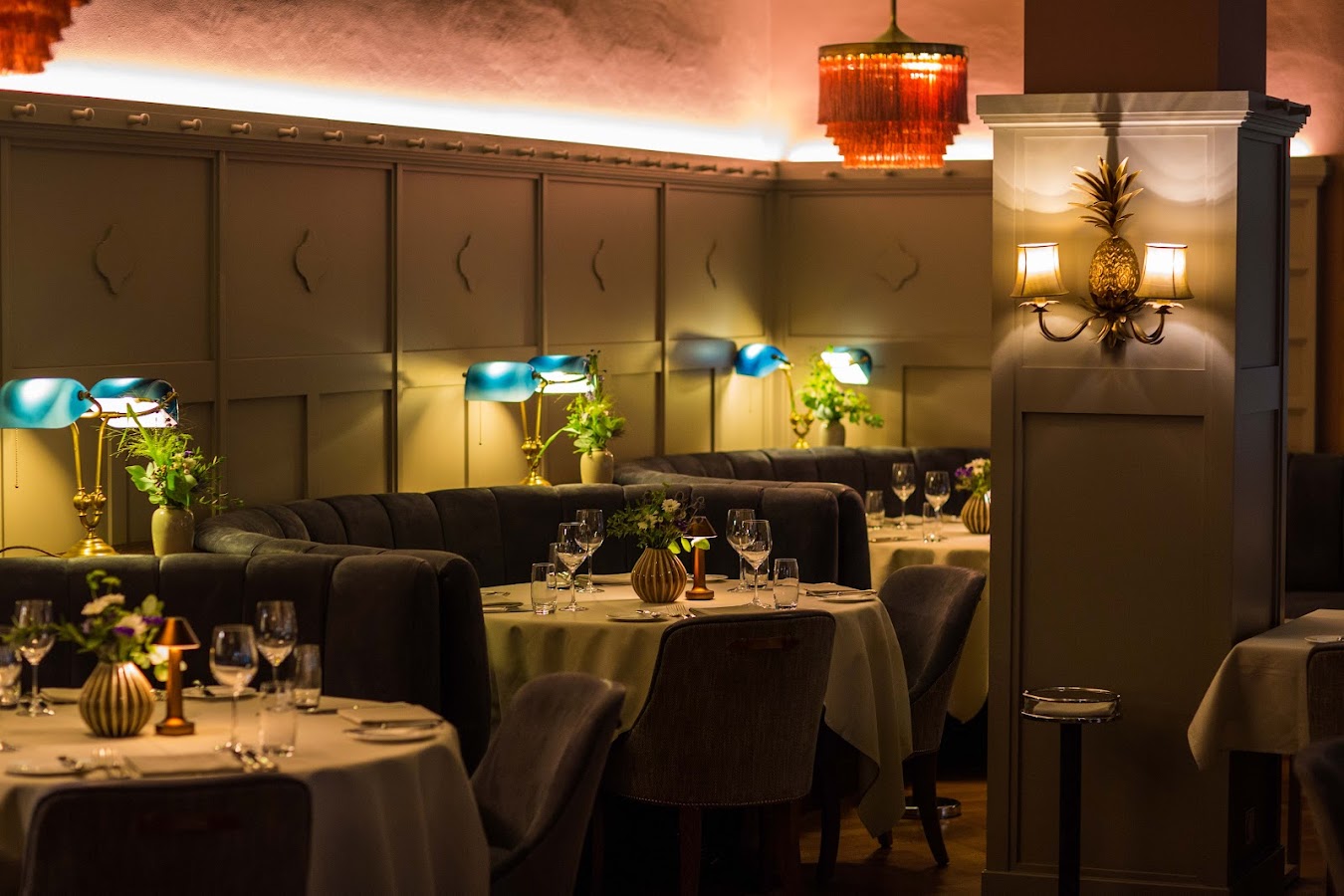
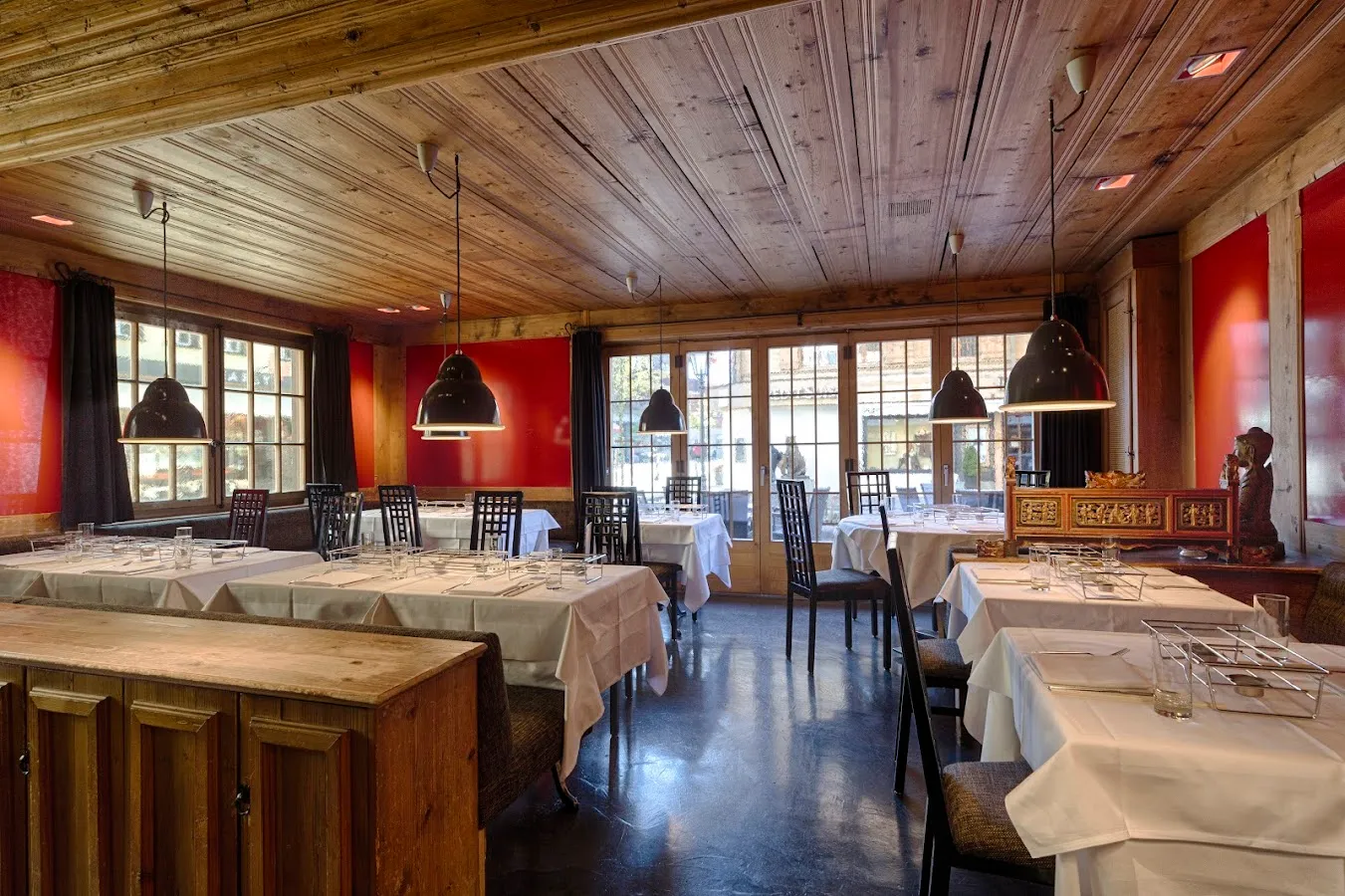
In Gstaad most Michelin cooking happens inside grand hotels — Le Grand Bellevue (LEONARD’s), The Alpina (Sommet and MEGU), the Palace (Le Grand and La Terrasse), Ultima Hotel. The exception is Chesery, which is a freestanding building on Alte Lauenenstrasse. The restaurant ecosystem therefore overlaps heavily with the hotel concierge ecosystem, and tables are released and held accordingly.
Zermatt has a more independent fine-dining scene — chef-owned rooms outnumber hotel restaurants at the top end. Verbier sits between the two. For visitors staying outside the Gstaad grand hotels, this means Michelin bookings require a little more effort and a little more lead time.
The non-Swiss layer
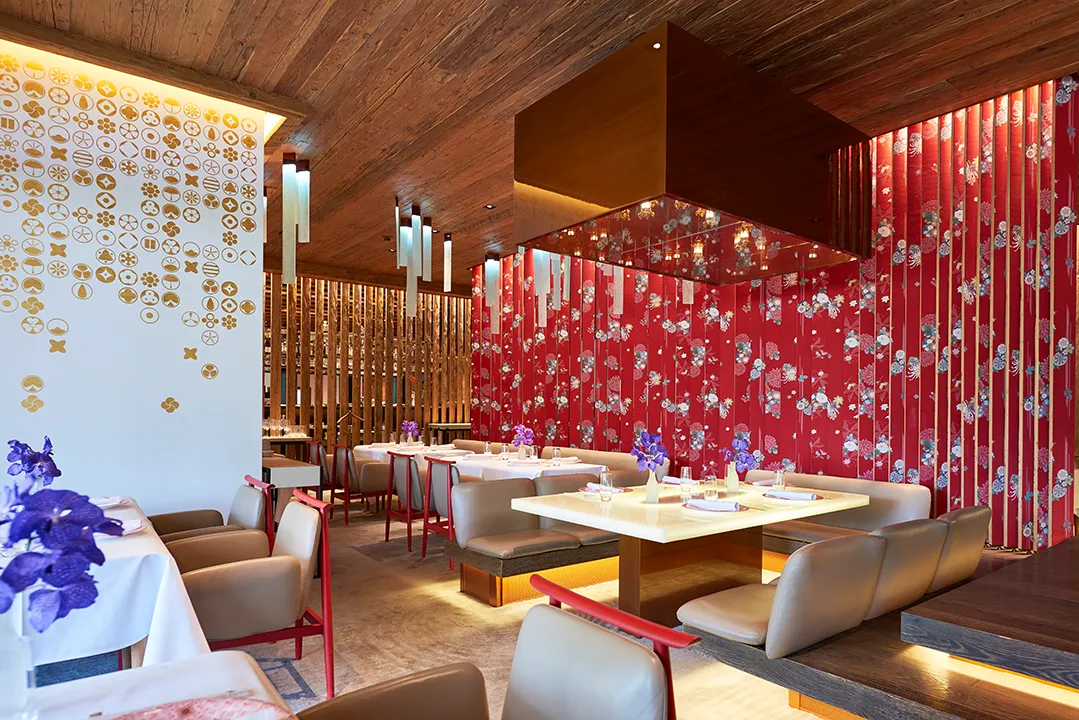
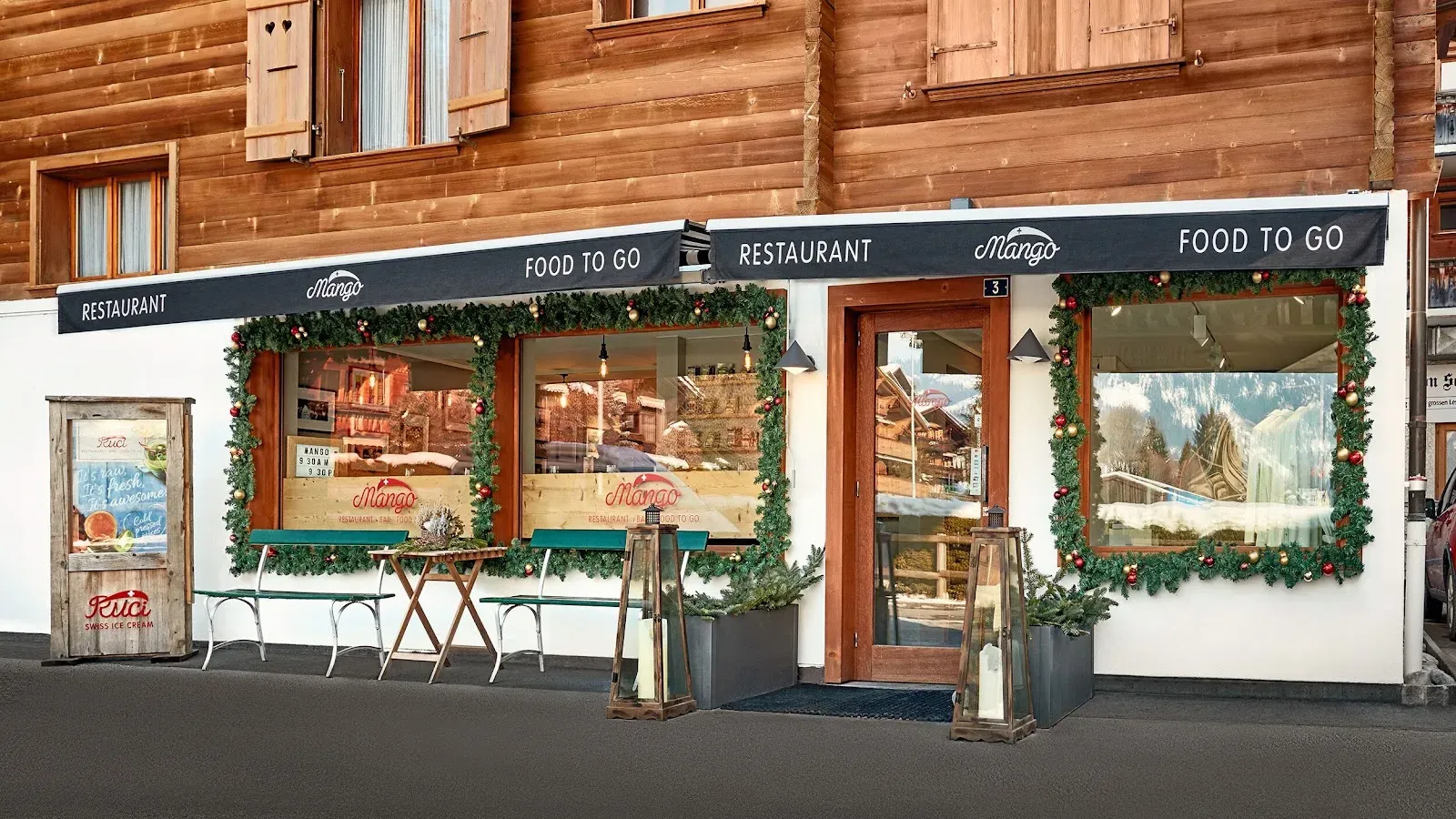
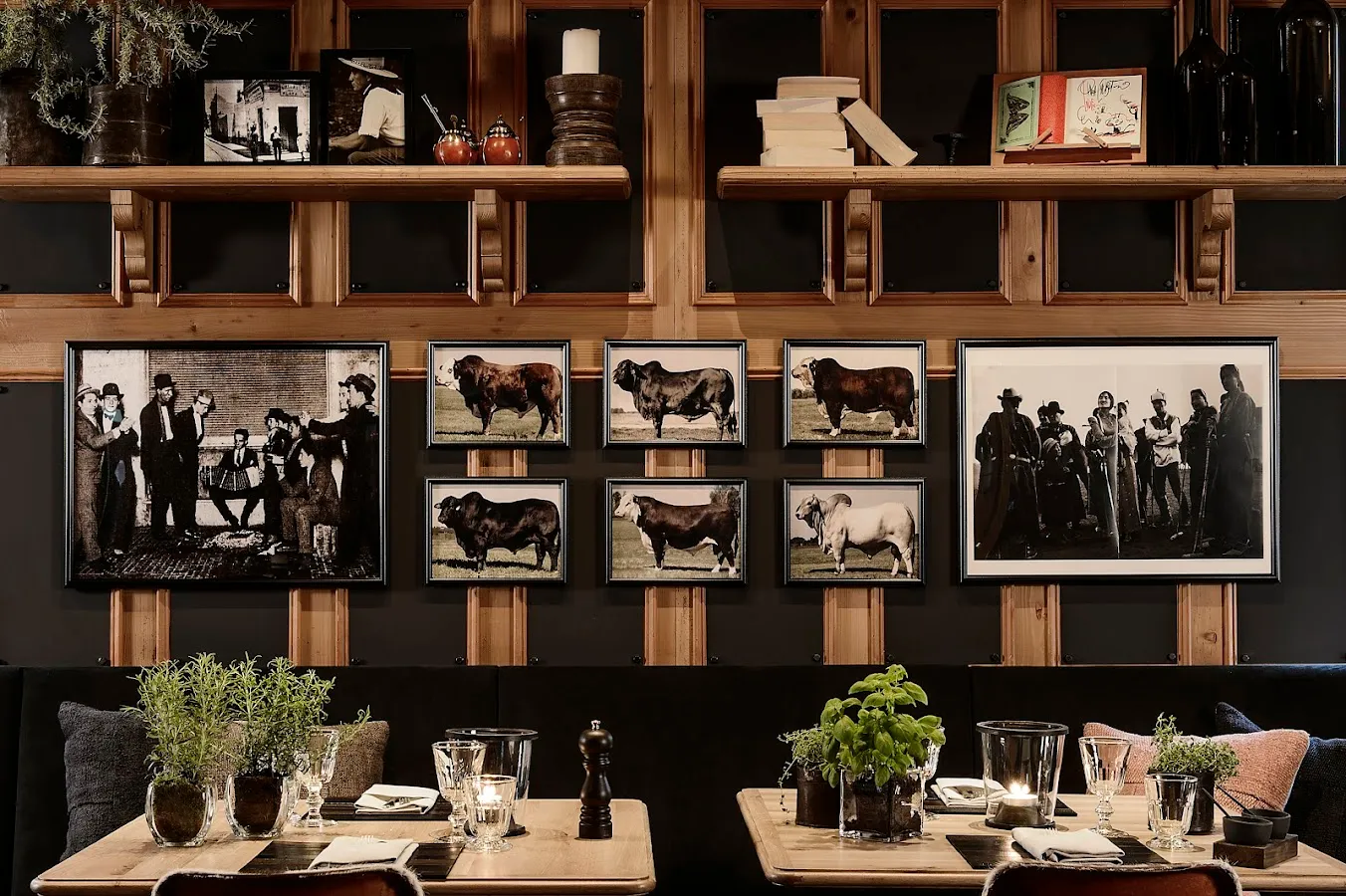
Gstaad is the most international of the three villages measured by guest nationality — UK, Italian, Middle Eastern, American and Russian regulars have been returning for decades. That internationalism shows up on plates: MEGU at The Alpina runs a serious Japanese kitchen under Chef Tsutomu Kugota with the largest sake collection in Switzerland. Mango Restaurant in Gstaad serves a credible Indian card that has surprised more than one visitor. Chubut on the Promenade is a South American steakhouse. Blun-Chi is a long-running Chinese restaurant.
Zermatt has almost no international non-Swiss fine dining. Verbier has one or two Italian and Asian rooms but no Japanese restaurant comparable to MEGU. Gstaad is where you eat omakase at altitude.
Mentioned
Ask us to book
Thinking about Gstaad because you already know Verbier or Zermatt? Tell us what you loved there and we’ll map you a Saanenland dining week that doesn’t repeat anything.
Send WhatsAppApres-ski culture
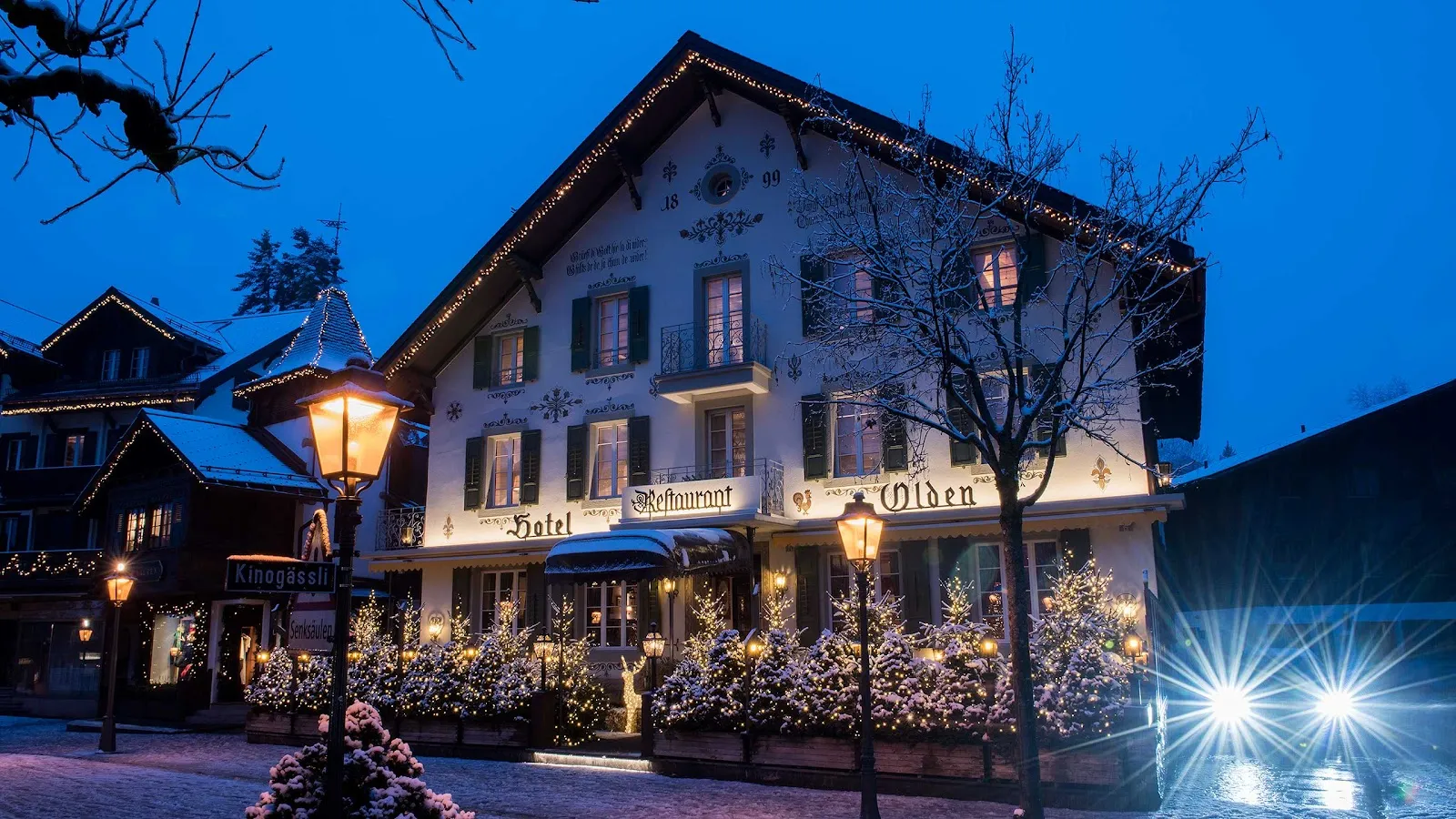
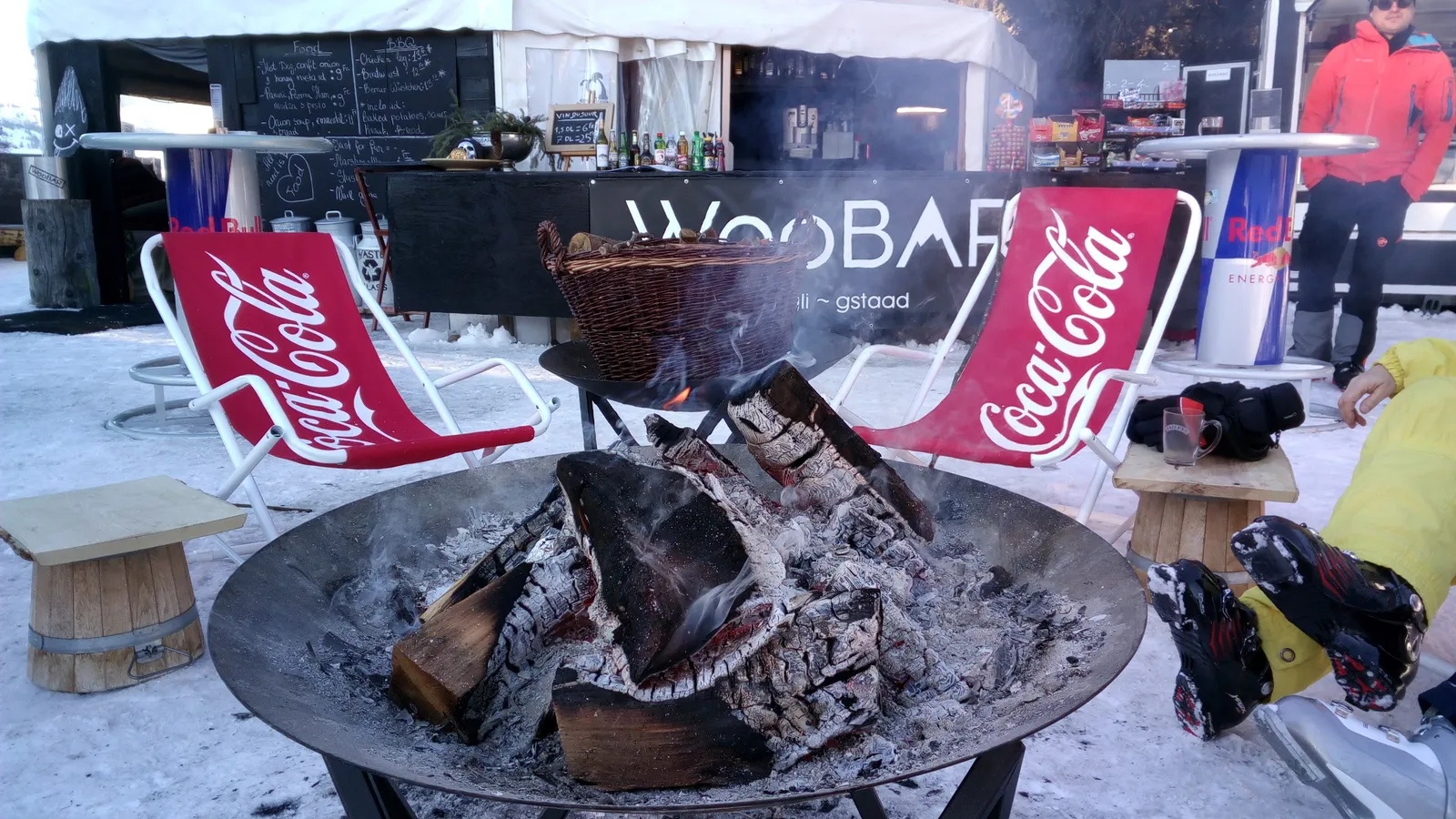
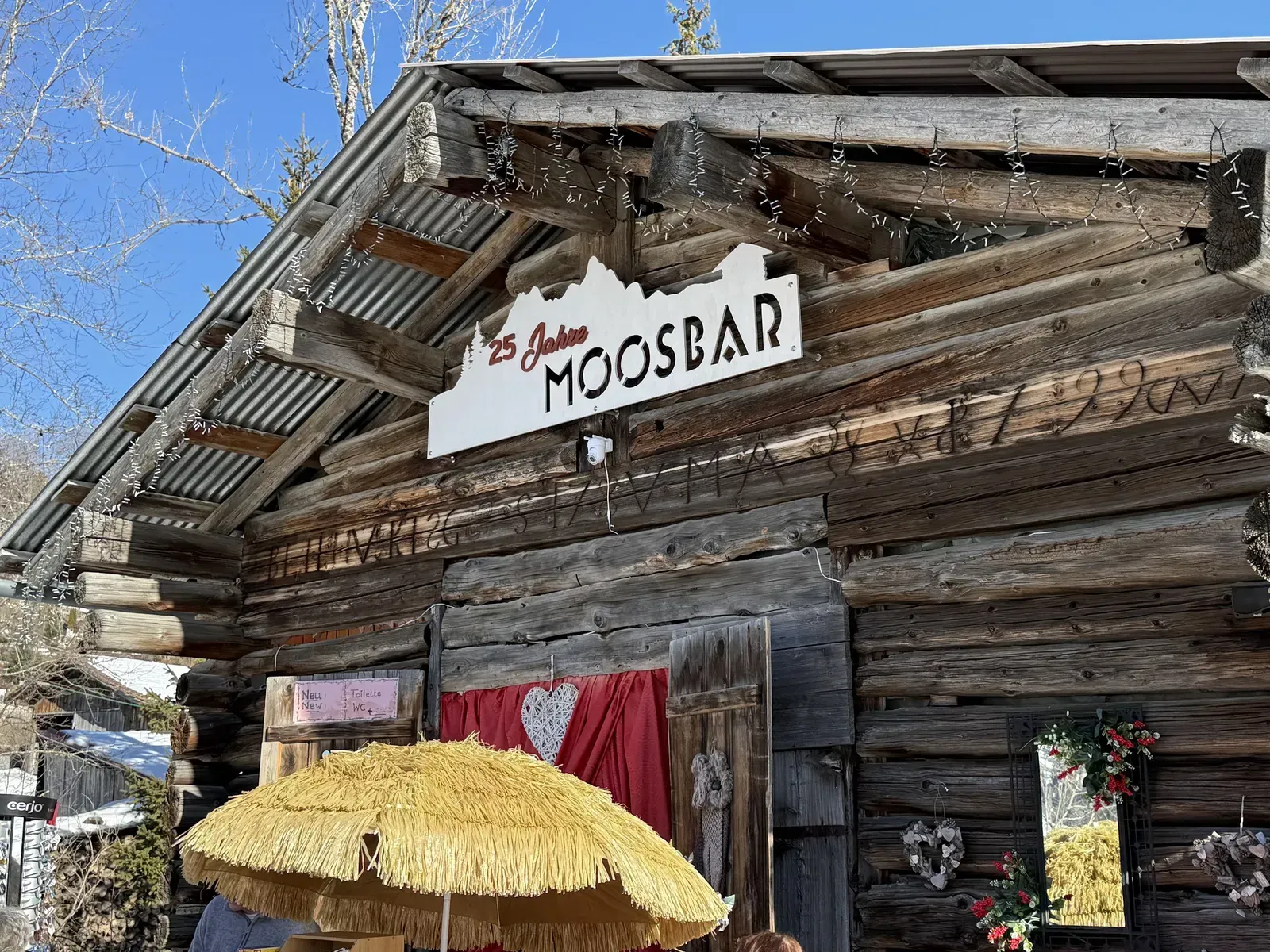
Verbier’s après is loud and party-forward (Farinet, Pub Mont Fort, the Farm Club). Zermatt’s après is alcoholic-lunch-then-dinner (Hennu-Stall, the Blue Lounge). Gstaad’s is quieter — the action happens at the Olden, at the WooBAR, at the Moosbar, at the hotel lobby bars, and ends earlier. If you come to the Saanenland for late-night clubbing you will be disappointed. If you come for a long dinner that ends at midnight with a nightcap in a hotel lobby, you will find exactly what you wanted.
Price: the real numbers
In a rough apples-to-apples comparison (three-course dinner with one glass of wine at a one-Michelin-star equivalent room):
- Gstaad: CHF 180–250
- Verbier: CHF 170–240
- Zermatt: CHF 150–220
Gstaad is therefore the most expensive of the three, by roughly CHF 20–40 per head. Mountain-restaurant lunch pricing is comparable across all three (CHF 35–65 per head for a full plate with a drink). Where Gstaad pulls ahead on cost is the Promenade lunch: a light lunch at the Olden or Cappuccino runs CHF 50–80 where the equivalent in Zermatt is CHF 35–60.
Which resort for which diner
- Come to Gstaad if you want: hotel-driven grand dining, long chef tenures, a bilingual cheese board, the only serious Japanese kitchen in a Swiss ski village, and a quieter after-dinner scene.
- Come to Verbier if you want: French-speaking Valaisan cooking, a livelier après scene, and a slightly more casual chef culture.
- Come to Zermatt if you want: the highest concentration of pure Valaisan raclette/viande séchée/rye bread tradition, a car-free village, and a slightly cheaper top-end dinner.
For a two-week Swiss Alpine food trip, the best combination is Gstaad + Zermatt — they complement rather than repeat. Adding Verbier to Gstaad produces too much repetition of the same French-Swiss chef template.
Ready to book?
Hi, coming to Gstaad and I usually ski Verbier / Zermatt. Date: Party size: Favourite restaurant from last trip (for taste reference):
Ask us on WhatsApp