The Gstaad tradition
Italian in Gstaad, and why it's worth the detour
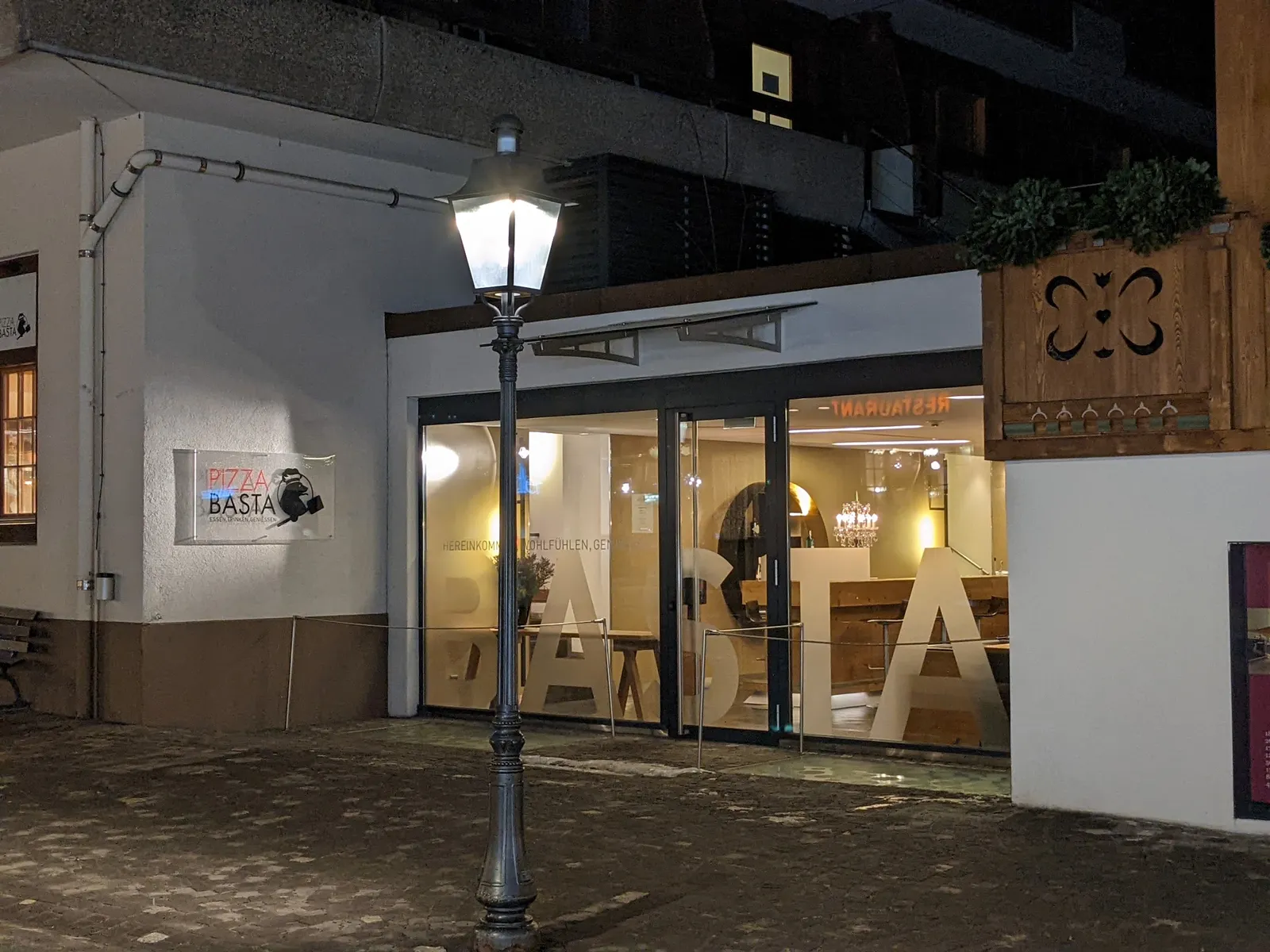
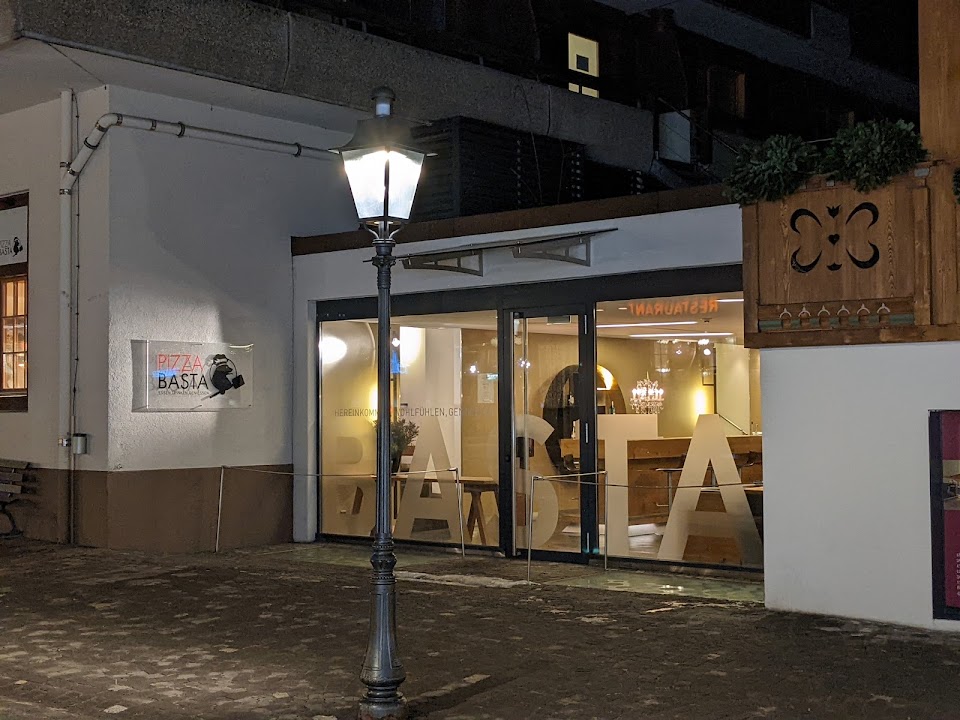
Italian food in Gstaad traces back to the post-war wave of Italian chefs who settled in the Alps in the 1950s-70s. The best Italian restaurants in the village today — Rialto, Gildo's, Da Corrado — are mostly run by second- or third-generation Italian Swiss families who import their pasta from specific Italian producers, carry Barolo and Barbaresco lists that would stand up in Milan, and cook the food their grandparents taught them. Gstaad Italian is not fake Italian; it is Italian Alpine, which is its own thing.
History & context
The first Italian restaurants in Gstaad opened in the late 1950s as Italian workers came to build the post-war ski infrastructure. Some of those families stayed; their restaurants are still running, in the same locations, often with the same grandchildren. The style evolved over decades — earlier trattorias served heavier, richer food; today's best Italian in Gstaad is lighter and more regional (Piedmont, Emilia-Romagna and Venice are the main reference points).
What to order
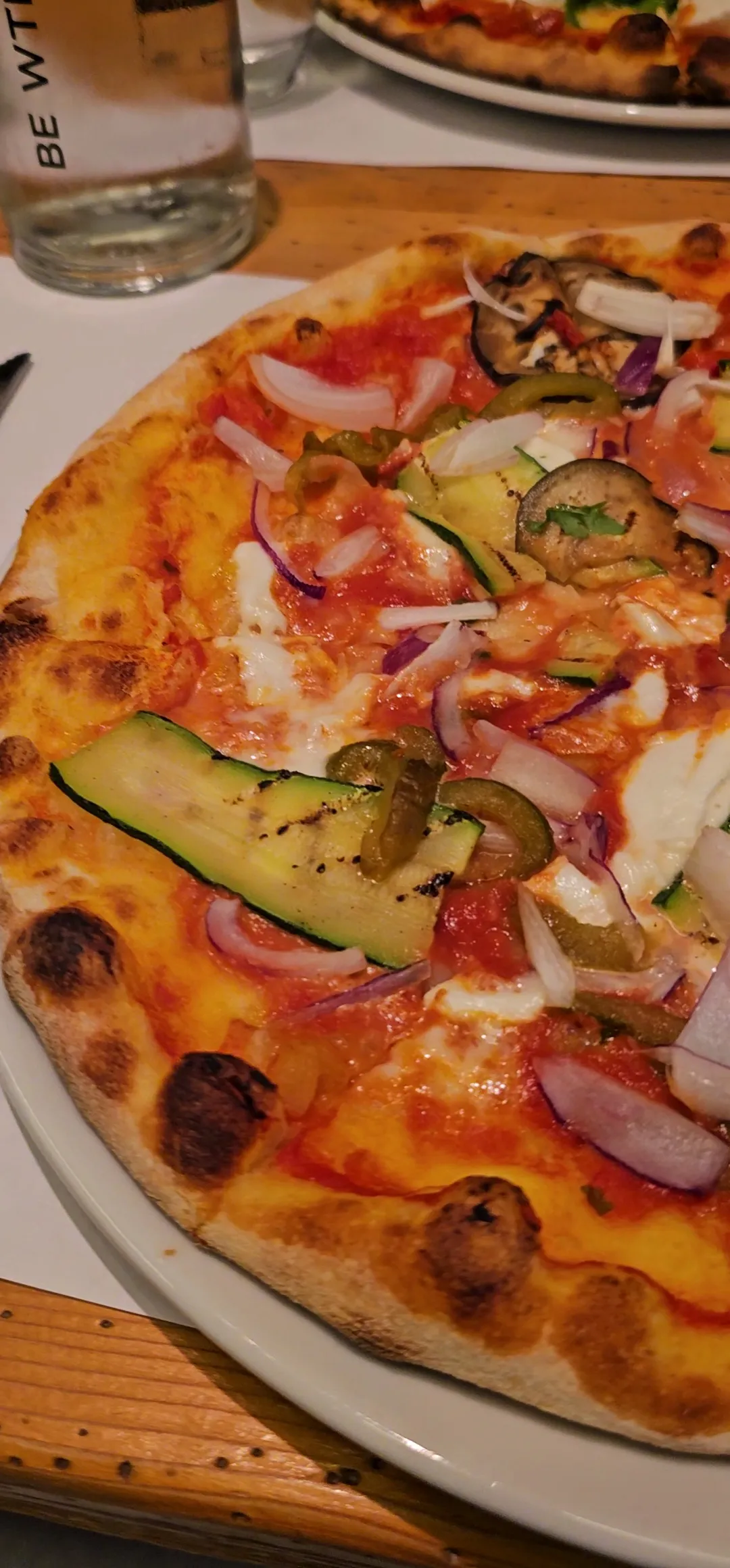
Essential dishes: risotto ai funghi porcini (in autumn), vitello tonnato, carpaccio di manzo, tagliatelle al tartufo (white truffle season November-February, black truffle year-round), ossobuco, saltimbocca, tiramisu. Wine list focus: Barolo, Barbaresco, Brunello di Montalcino, plus regional whites (Gavi, Vermentino, Friulano). Several Gstaad Italian restaurants have very serious Amarone della Valpolicella selections.
Booking & practical
Italian in Gstaad books 3-7 days ahead in peak winter, 1-2 days otherwise. Most restaurants open year-round (unlike chalet-tradition Swiss restaurants which close shoulder seasons). Dress code is smart-casual — trattorias run relaxed, the higher-end Italian rooms (Rialto, Mansard) expect a blazer.