The Gstaad tradition
Fondue in Gstaad, and why it's worth the detour
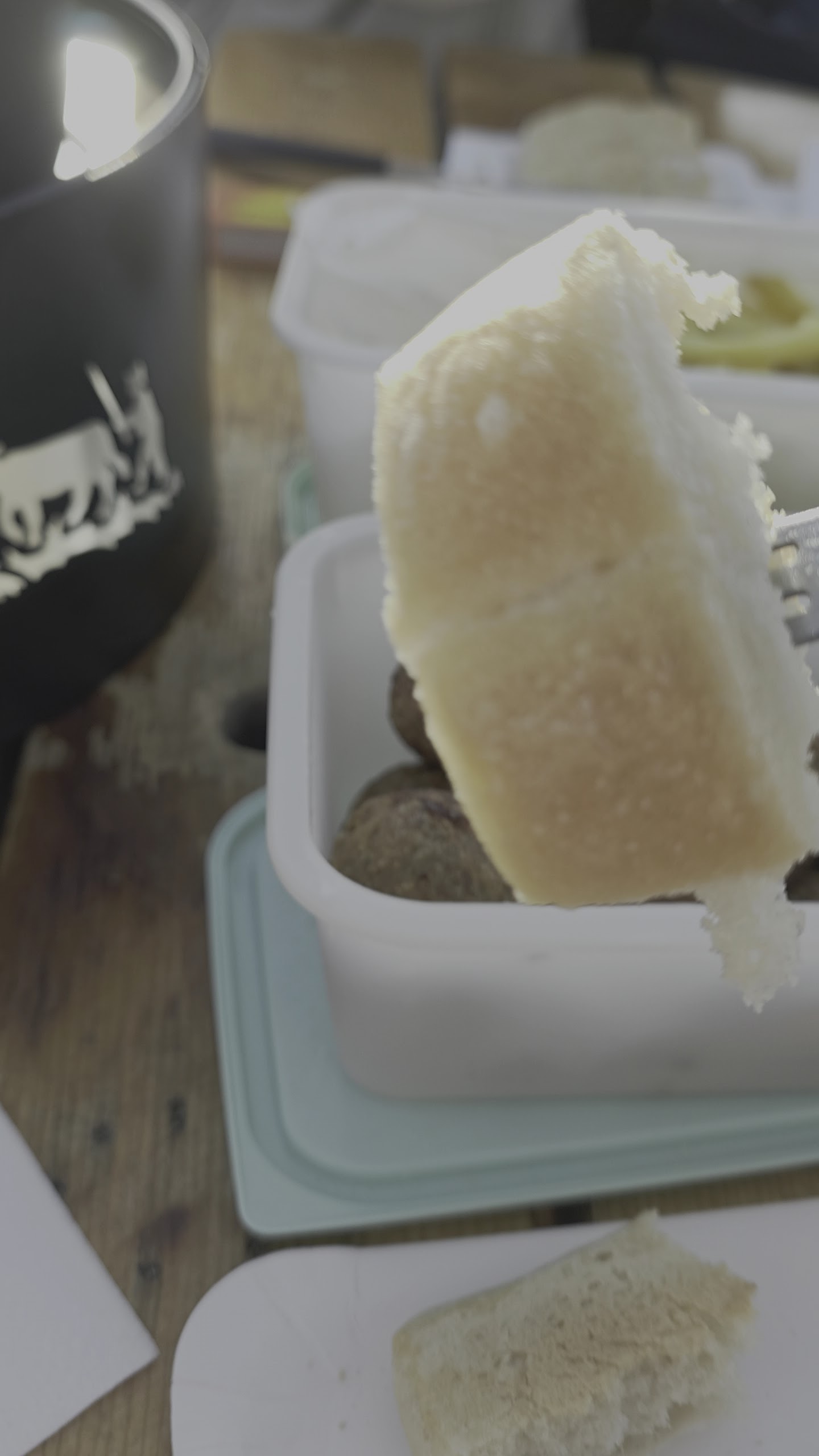
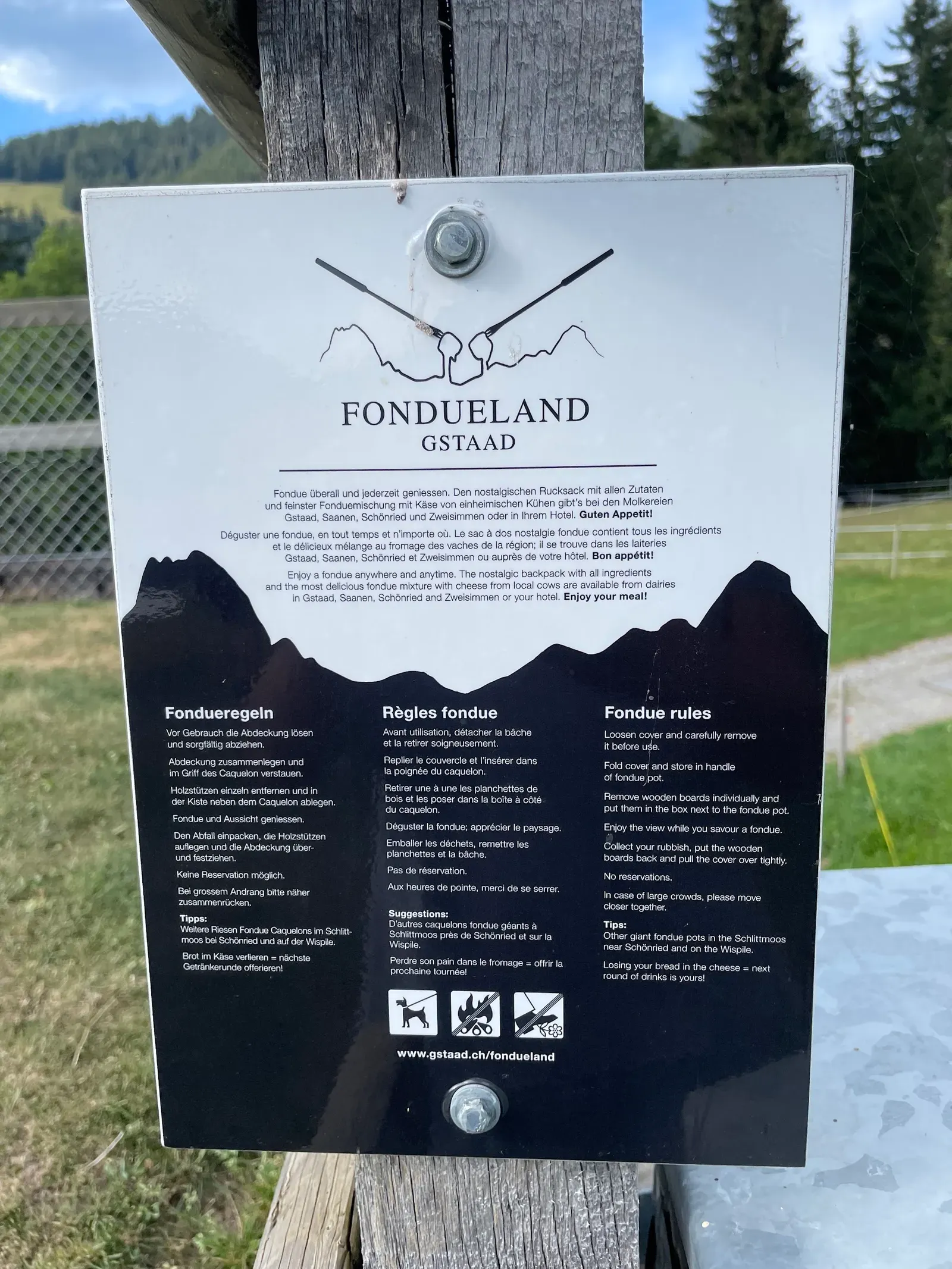
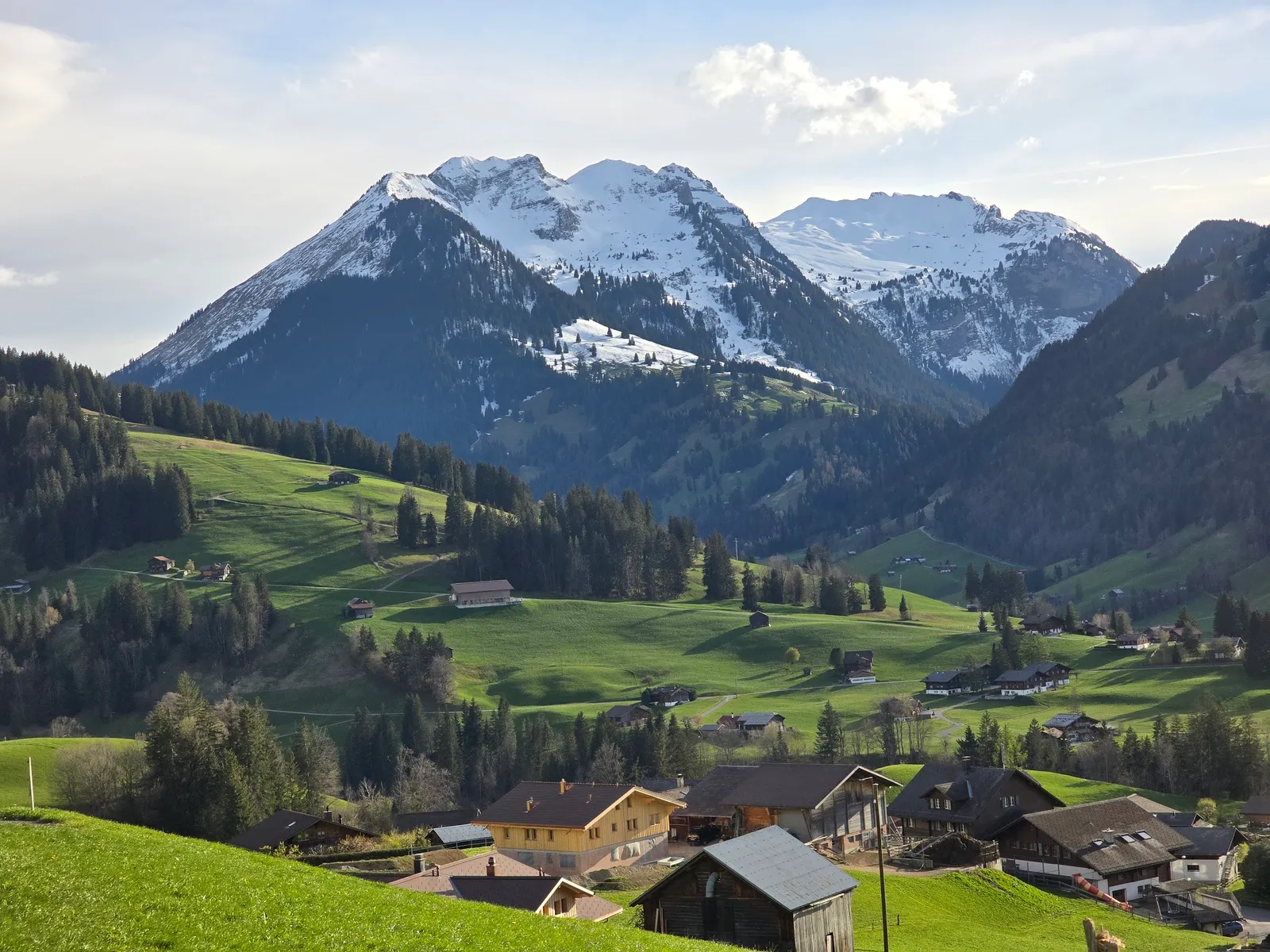
Fondue in Gstaad is a short list of very serious houses. The village sits at 1,050 metres on the edge of an Alpine dairy culture that has been melting cheese over open flame for most of a thousand years — and what you taste at table is the direct descendant of that craft. Unlike in bigger resorts, Gstaad restaurants tend to source their cheese from specific neighbouring farms: Saanen Alp mutschli, Gruyère d'alpage from just over the cantonal border in Rougemont, Vacherin Fribourgeois from the valley floor. A good Gstaad fondue is three things at once — a warming ritual after a day on the Wispile slopes, a serious cheese plate in liquid form, and a deeply rooted piece of Saanenland identity.
History & context
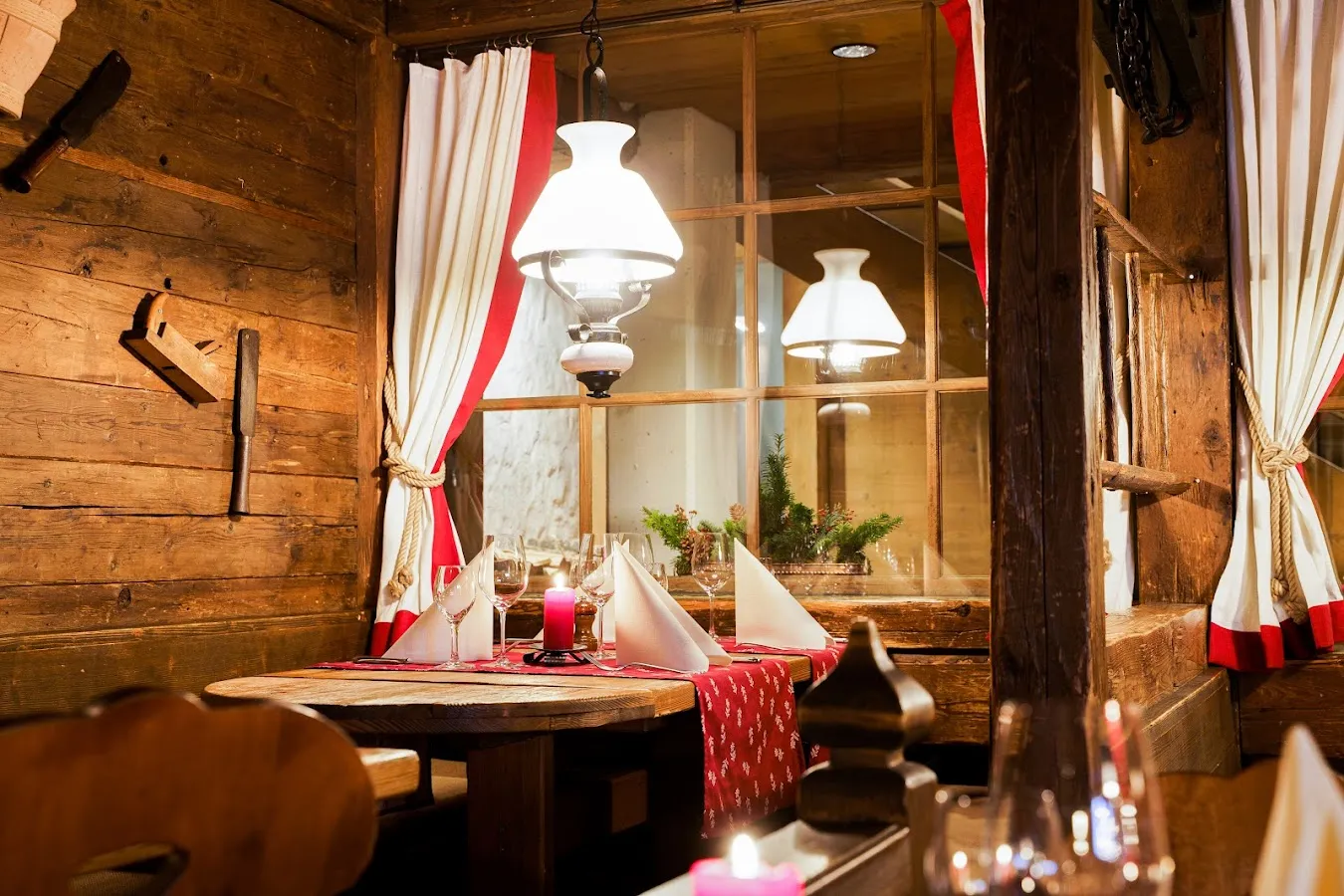
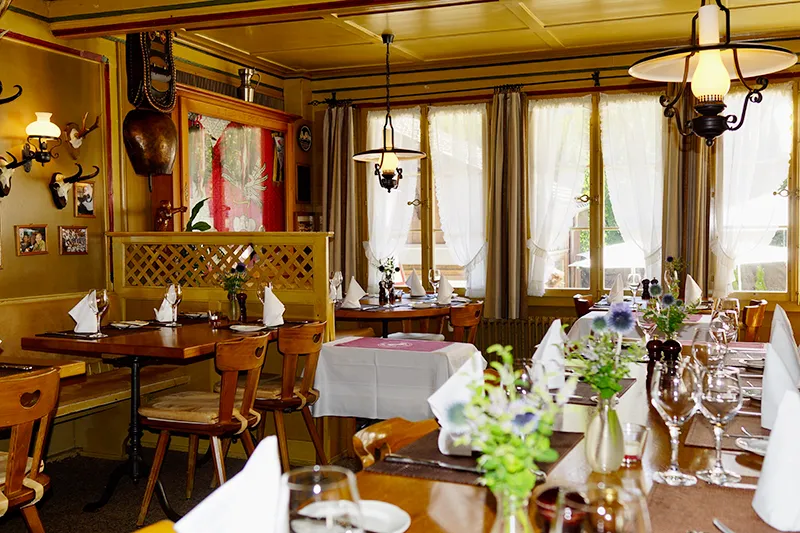
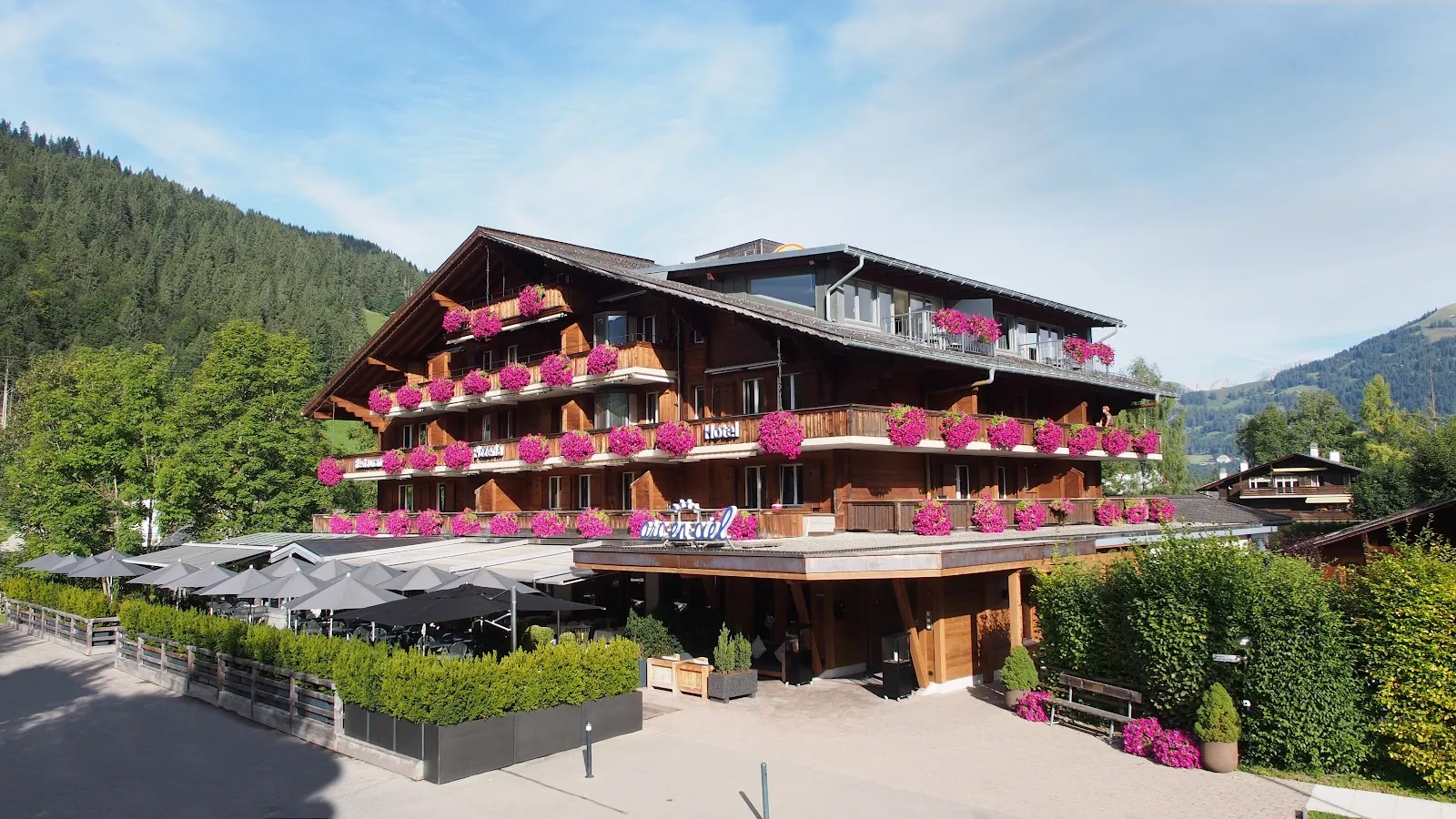
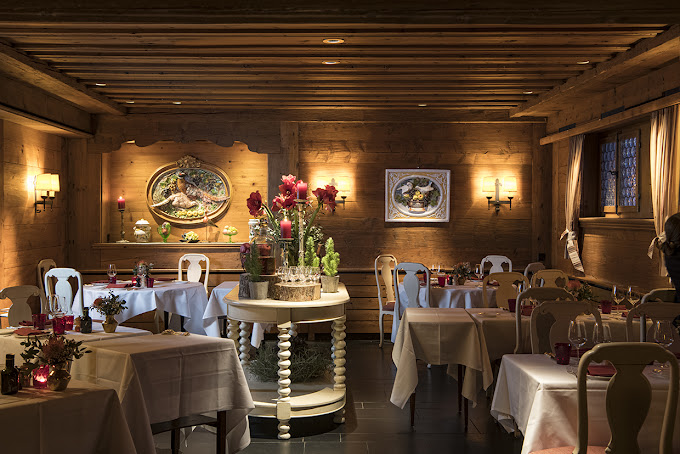
Fondue reached its canonical Swiss form in the 19th century, but the Saanenland version has its own regional quirks. Around Gstaad, the traditional blend is moitié-moitié — half Gruyère, half Vacherin Fribourgeois — heated with dry white wine from Aigle or the Lavaux. A handful of village restaurants still finish their pots with a splash of local Saanenland schnapps rather than kirsch, and in winter you'll see truffle shavings from nearby Piedmont appearing in the tonier dining rooms. The Olden, Chlösterli and Posthotel Rössli have been serving fondue continuously for decades; newer arrivals like MEGU's informal sister tables do a more modern take, but all of them respect the same basic formula inherited from the Alpine dairy farmers who used to melt cheese scraps over the hearth in the spring chalet season.
What to order
If it's your first fondue in Gstaad, ask for moitié-moitié and drink it with a Chasselas from the Vaud. Upgrade orders include fondue aux truffes (seasonal, November to February), fondue au champagne, and the tomato-based fondue vaudoise which is more common over the border in Rougemont. Order raclette only at restaurants with a proper open fire — half a wheel melted against embers is an entirely different dish from the machine-scraped version. For non-cheese eaters, most Gstaad fondue houses also serve viande séchée, rösti and a plate of alpine sausages. Two diners is the minimum order pretty much everywhere.
Booking & practical
Peak fondue season in Gstaad runs from the opening of the lifts in mid-December to the end of April. In February (Gstaad Palace opening, Hublot, school holidays) the best fondue tables book out two to three weeks ahead. Summer fondue is rarer — many chalet restaurants close from late April to mid-June and again from late October to mid-December. If you want a terrace fondue in August (there are a handful of options above the Eggli and Wispile), aim for 18:00 before the sun drops behind the Wildhorn.