The Gsteig tradition
Swiss in Gsteig, and why it's worth the detour
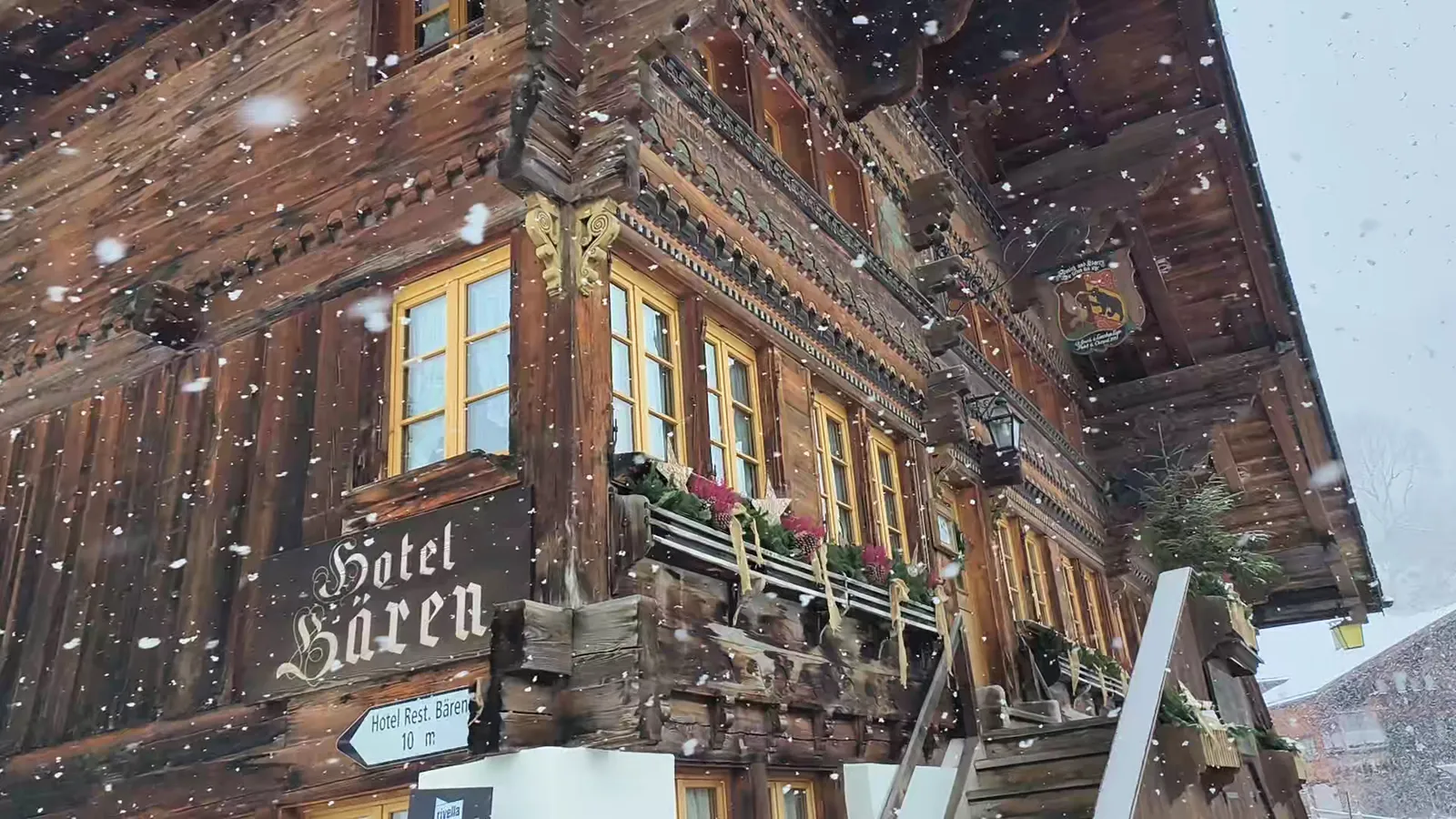
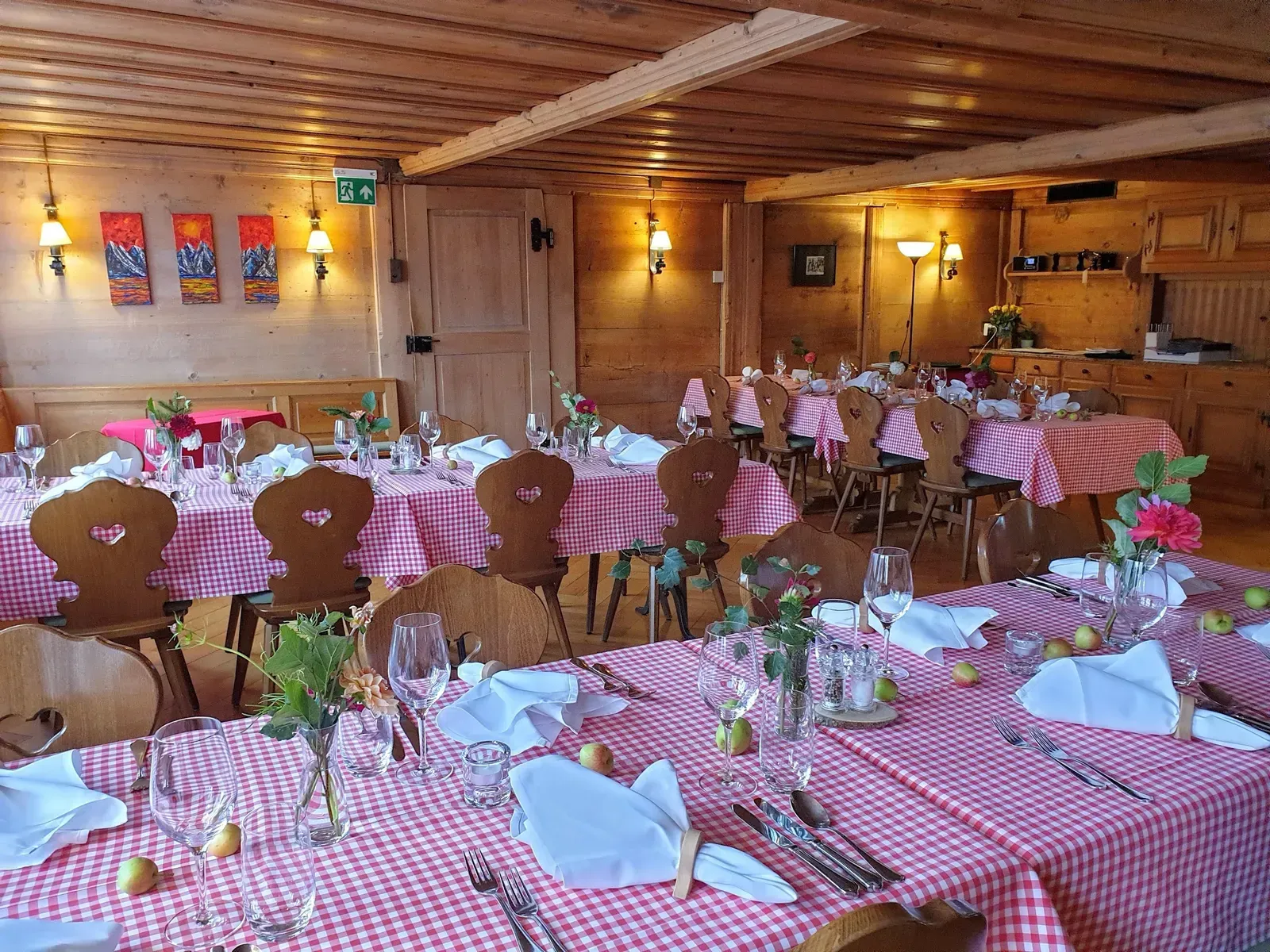
Gsteig sits at the foot of the Col du Pillon, at the very south end of the Saanenland, 1,189 metres above sea level. It is a traditional Berner farming village that transitioned slowly into a ski destination when the Glacier 3000 gondola was built. Swiss cooking in Gsteig is Alpine-farm traditional: cheese from the valley Alps, lamb and beef from the village farms, wild mushrooms in autumn, fondue and raclette all winter.
History & context
Gsteig was settled by the same Saanen dairy-farming families who founded Saanen and Gstaad. The current village church dates to the 15th century. The Col du Pillon has been a transit route between the German-Swiss and French-Swiss worlds for centuries, and Gsteig's food culture reflects both influences — you get Berner Rösti and Saucisses aux Choux on the same menu. The village has never had more than a handful of restaurants at any time.
What to order
Gsteig classics: fondue moitié-moitié, rösti with local bacon, roasted Alpine lamb in autumn, chanterelle mushroom dishes from the surrounding forests in late summer. The hotels here do a decent Saturday Älplermagronen. Wine selection is small; the house options are typically Chasselas and Dôle.
Booking & practical
Gsteig is 10 minutes drive from Gstaad. PostBus service runs up to the village hourly until around 19:00. In winter the road over the Col du Pillon to Les Diablerets is open; in summer it is one of Switzerland's most scenic drives. Restaurants book easily (2-3 days ahead is usually enough). Several close in shoulder season — always confirm.