The Saanen tradition
Swiss in Saanen, and why it's worth the detour
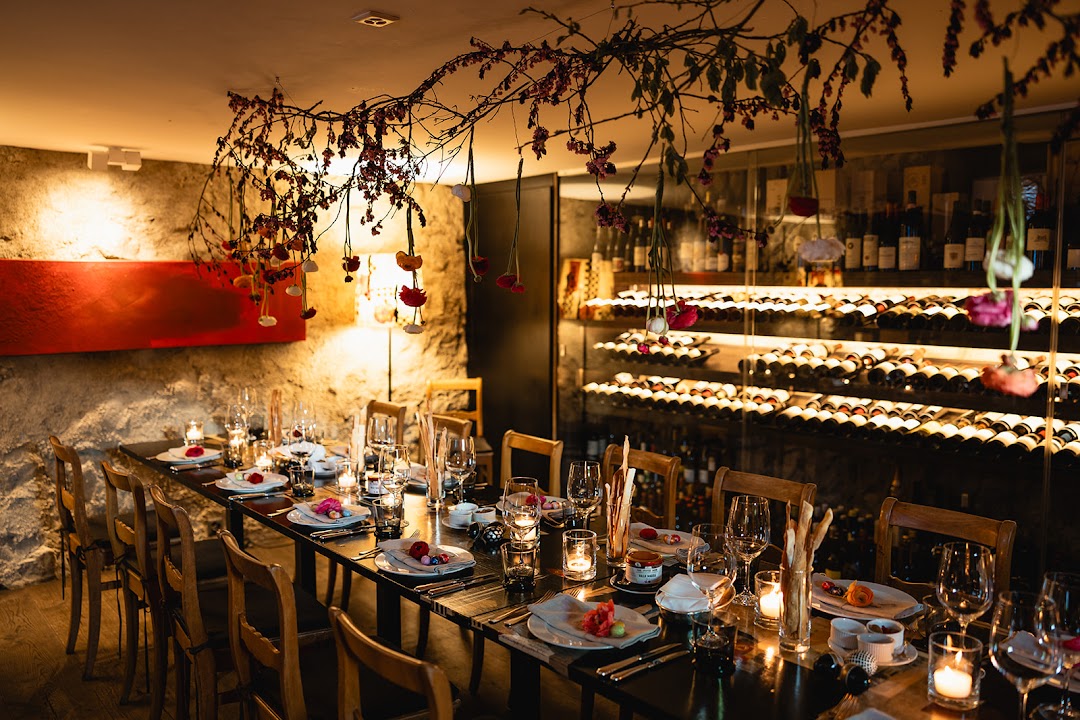
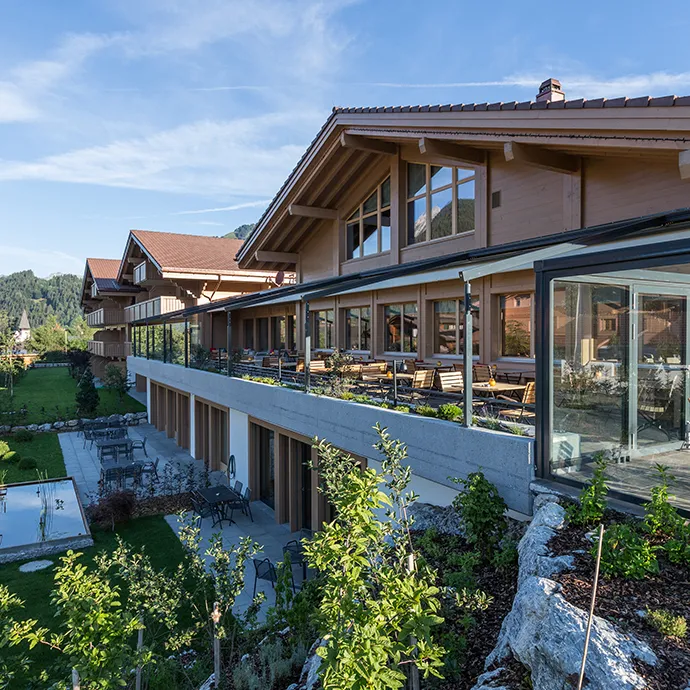
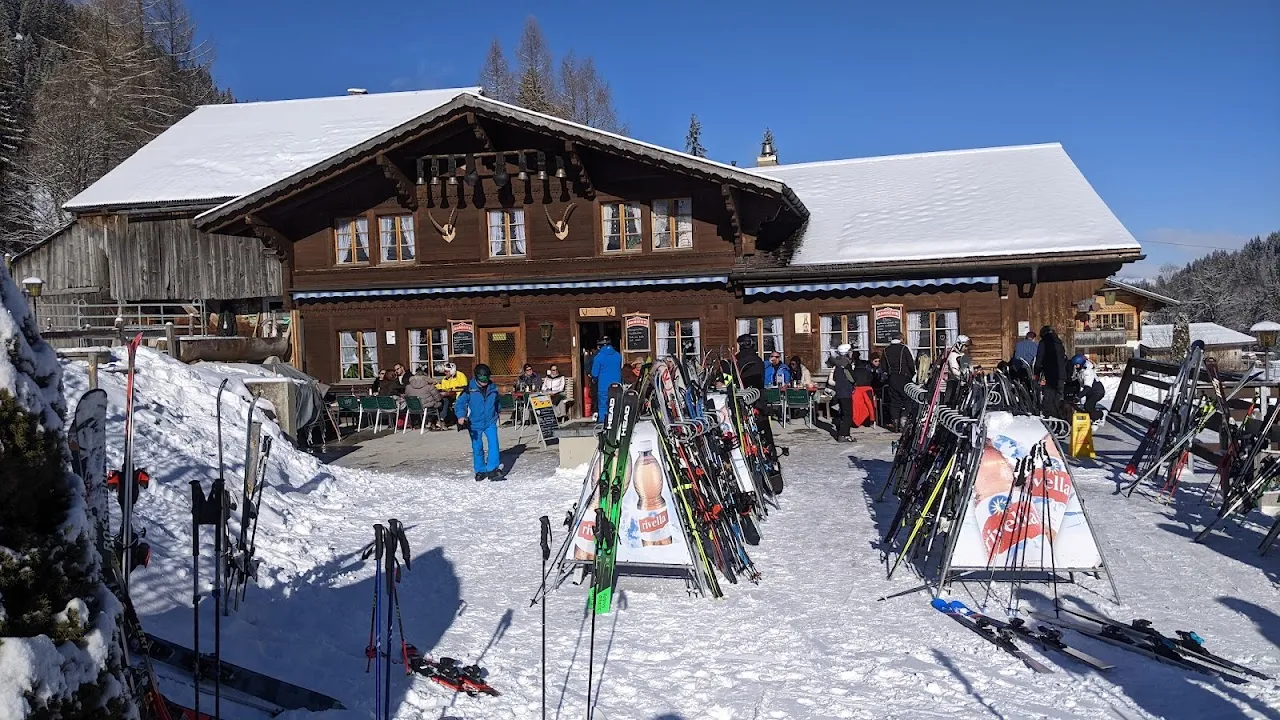
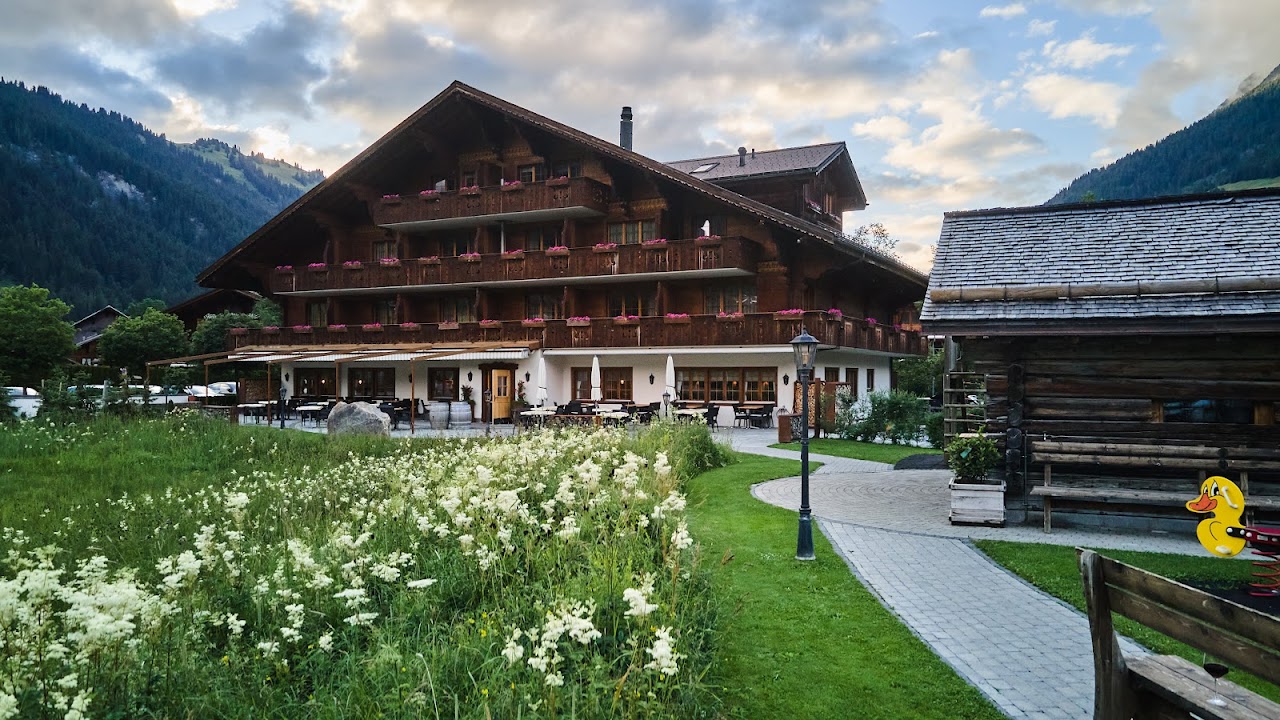
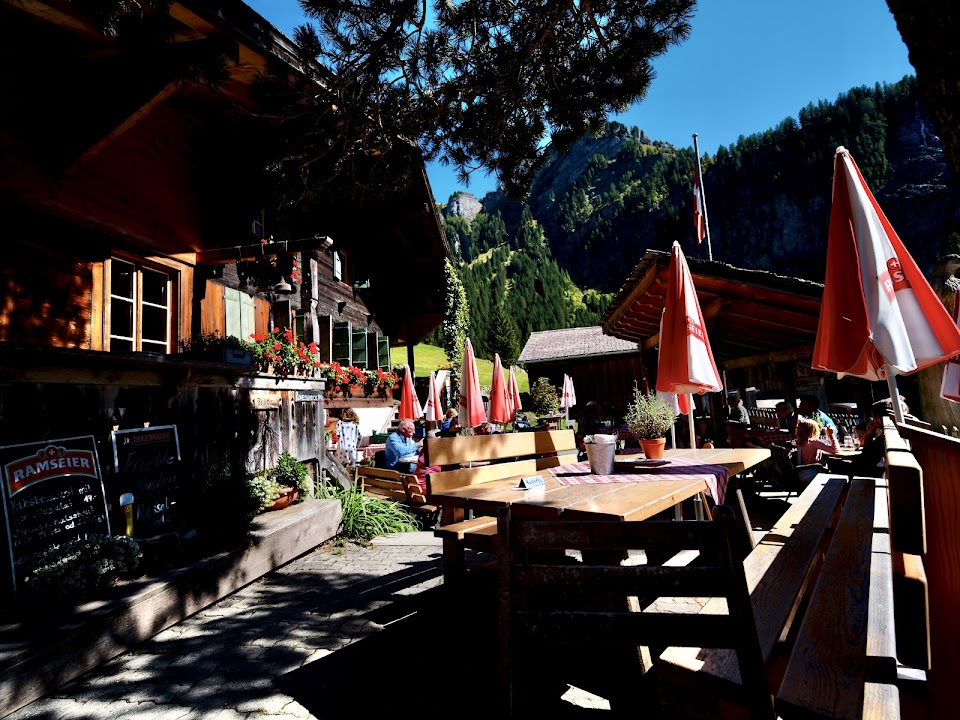
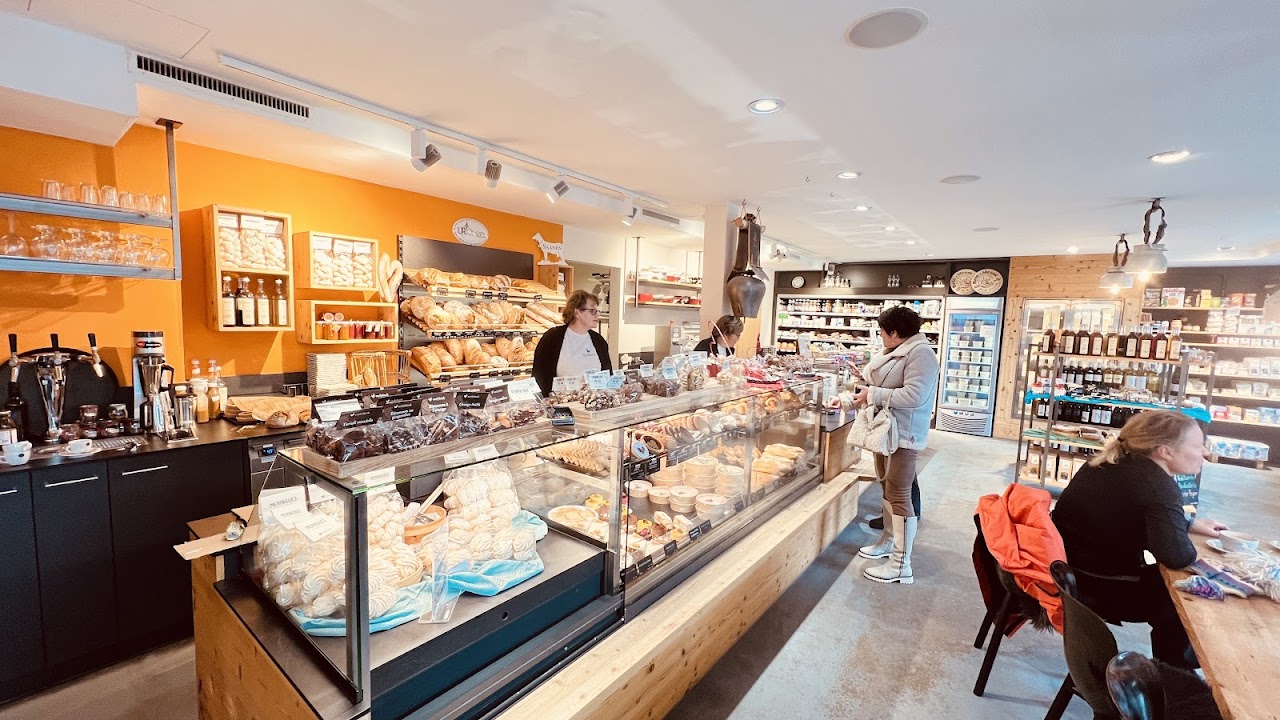
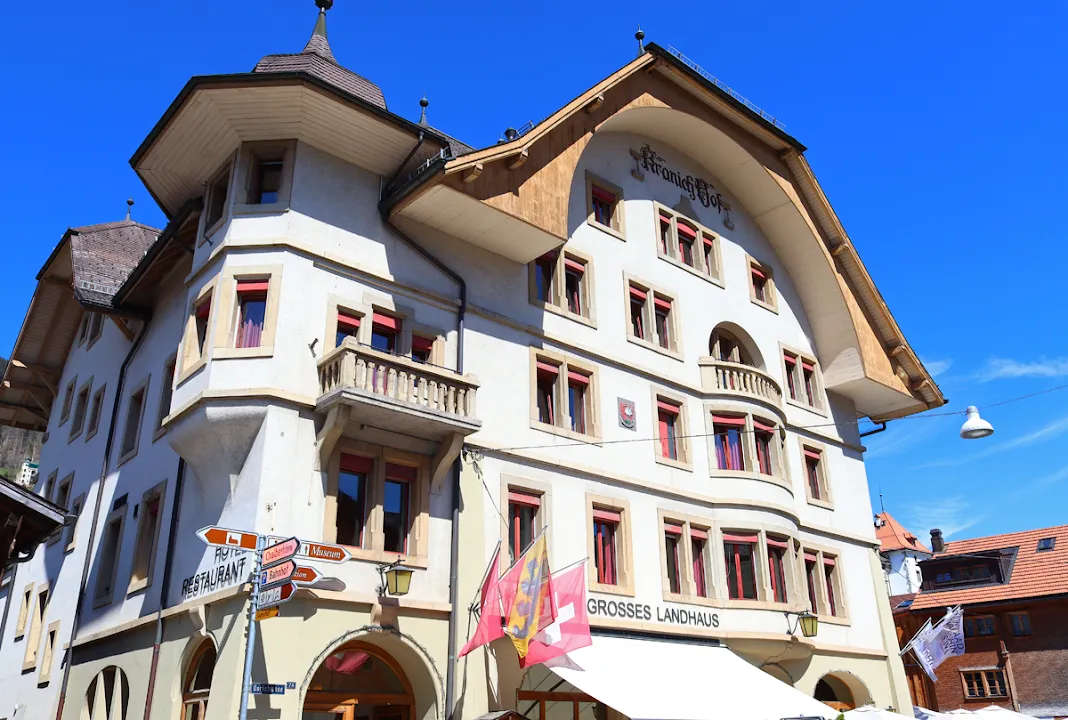
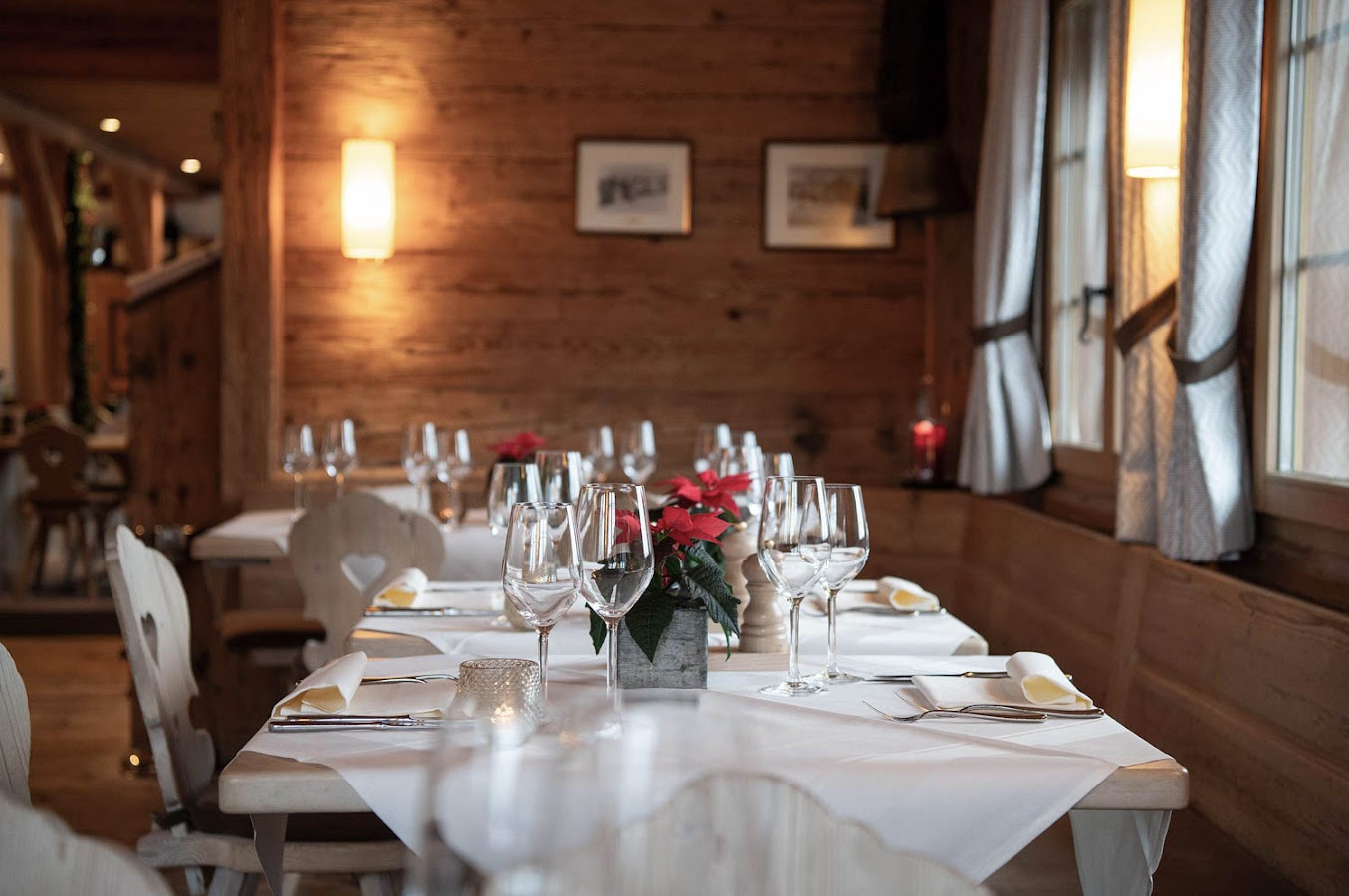
Saanen's Swiss cooking is the everyday version — what the village itself eats, not what visitors are shown. Most of Saanen's Swiss restaurants are hotel restaurants, village stübli or farm-to-table places that have been operating continuously for 40+ years, cooking from a relatively fixed repertoire. The quality of ingredients is remarkable (Saanen has its own dairy co-op, a proper village butcher, a long-established bakery) and prices are 20-30% lower than in Gstaad village for the same dish.
History & context
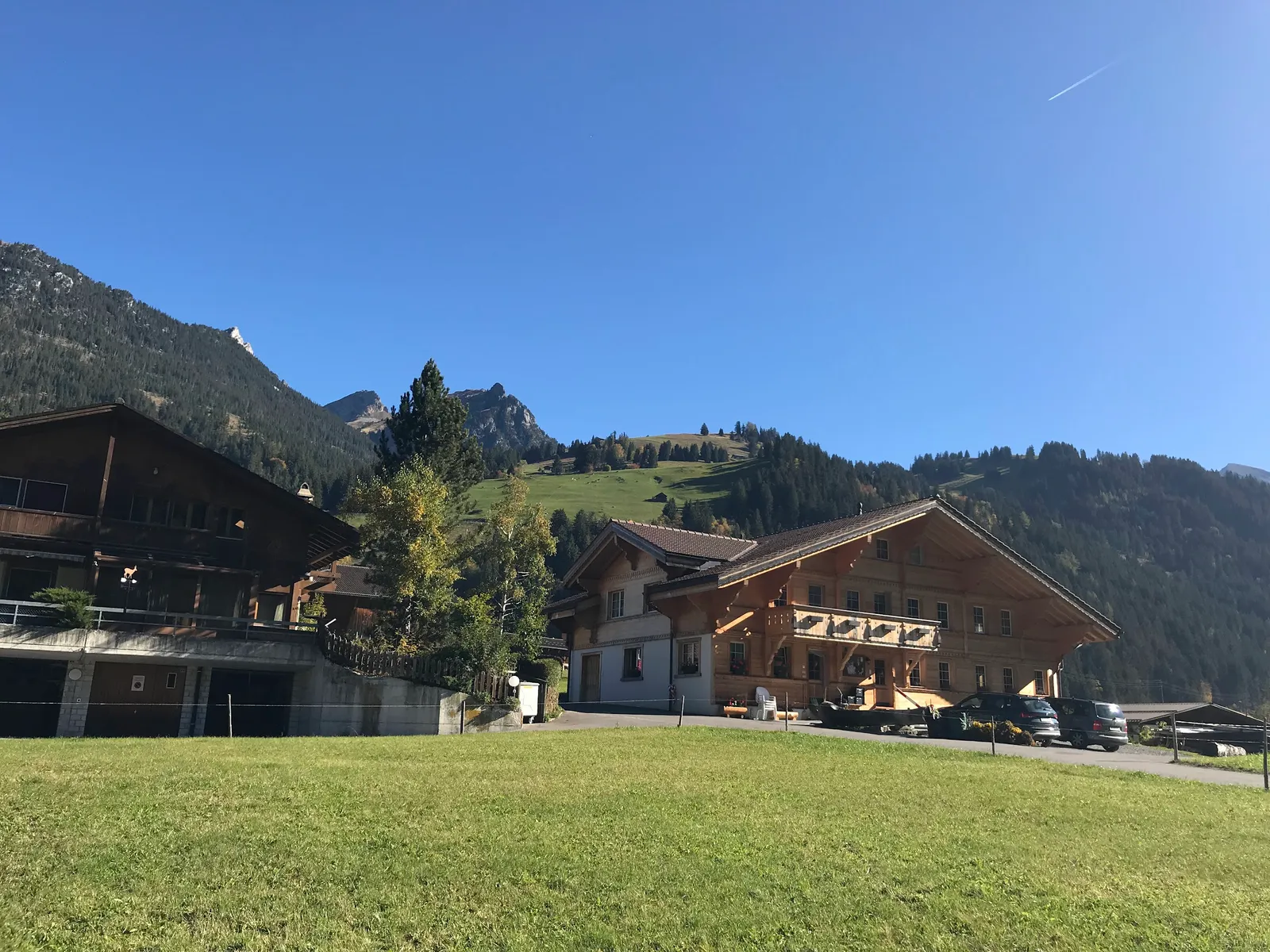
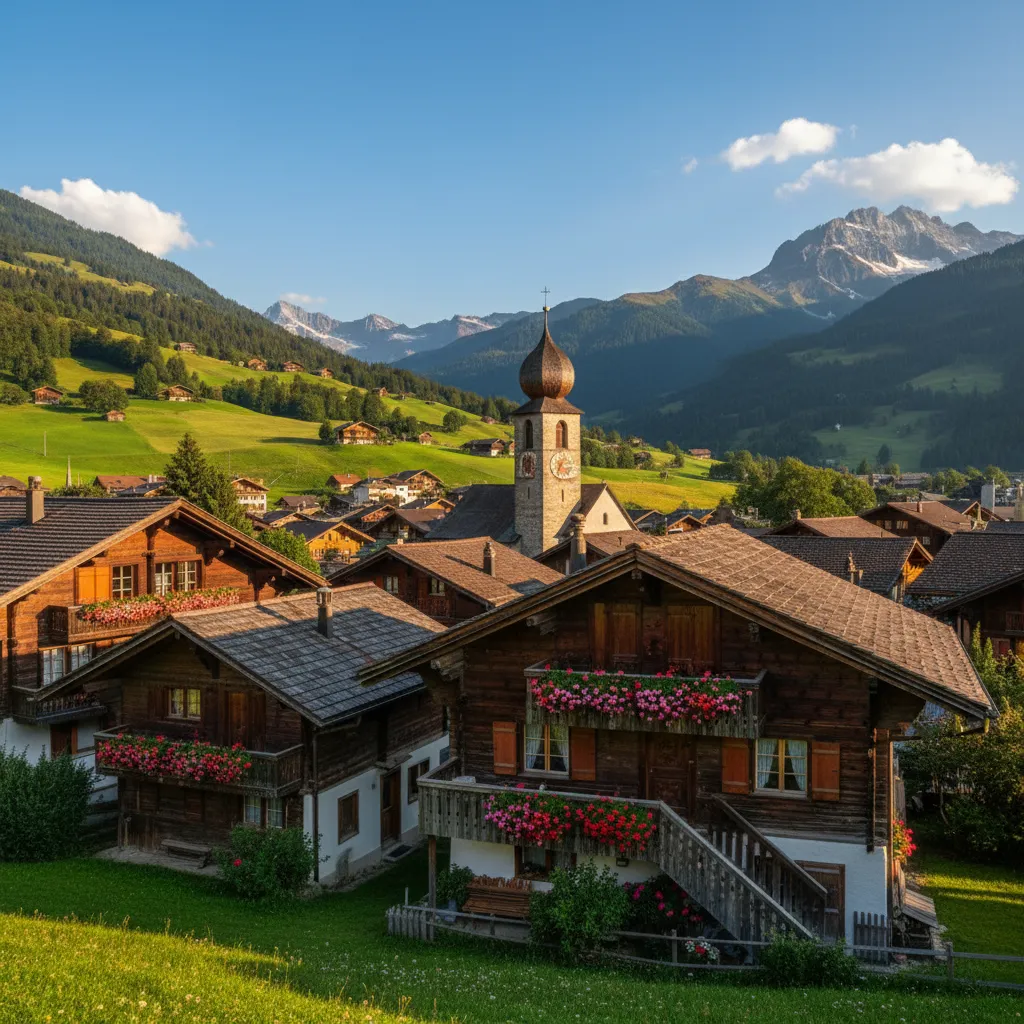
Saanen is an older settlement than Gstaad — the village church dates to 1447, and the core Saanen houses are 16th-17th century chalets. The restaurant tradition follows a similar arc: several Saanen restaurants have been in the same building for 100+ years, with the same dishes on the menu for most of that time. When you eat rösti at Kernen or Boucherie Saanen's small restaurant, you are eating it essentially as Saanenlanders have eaten it for generations.
What to order
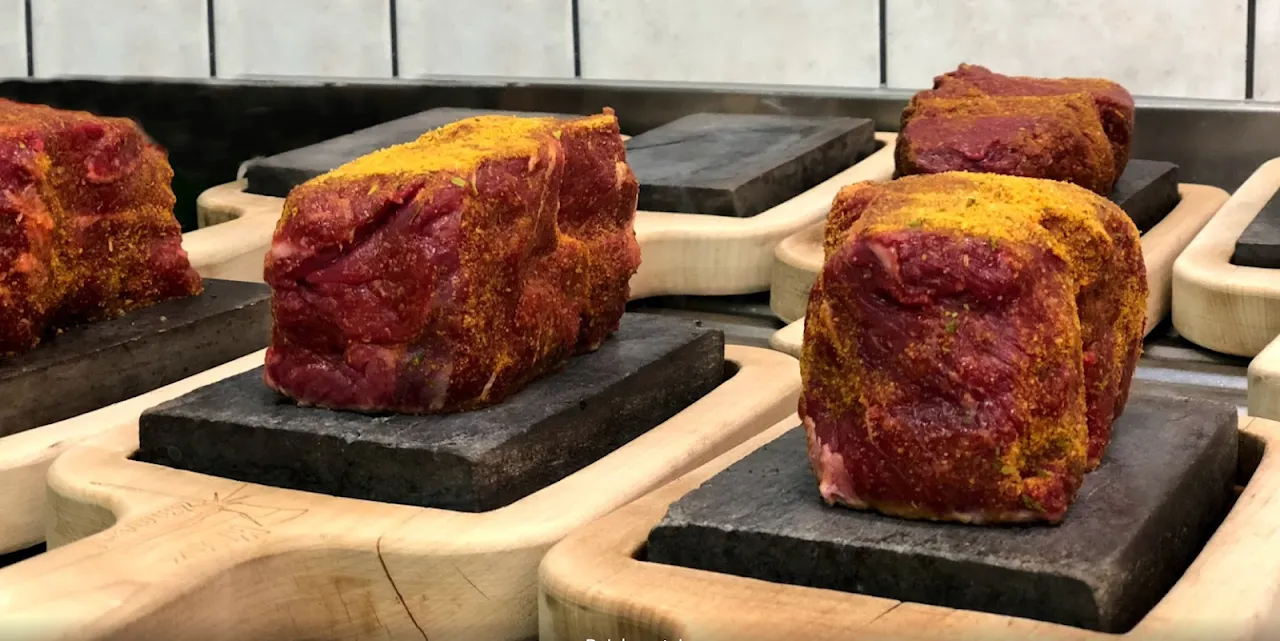
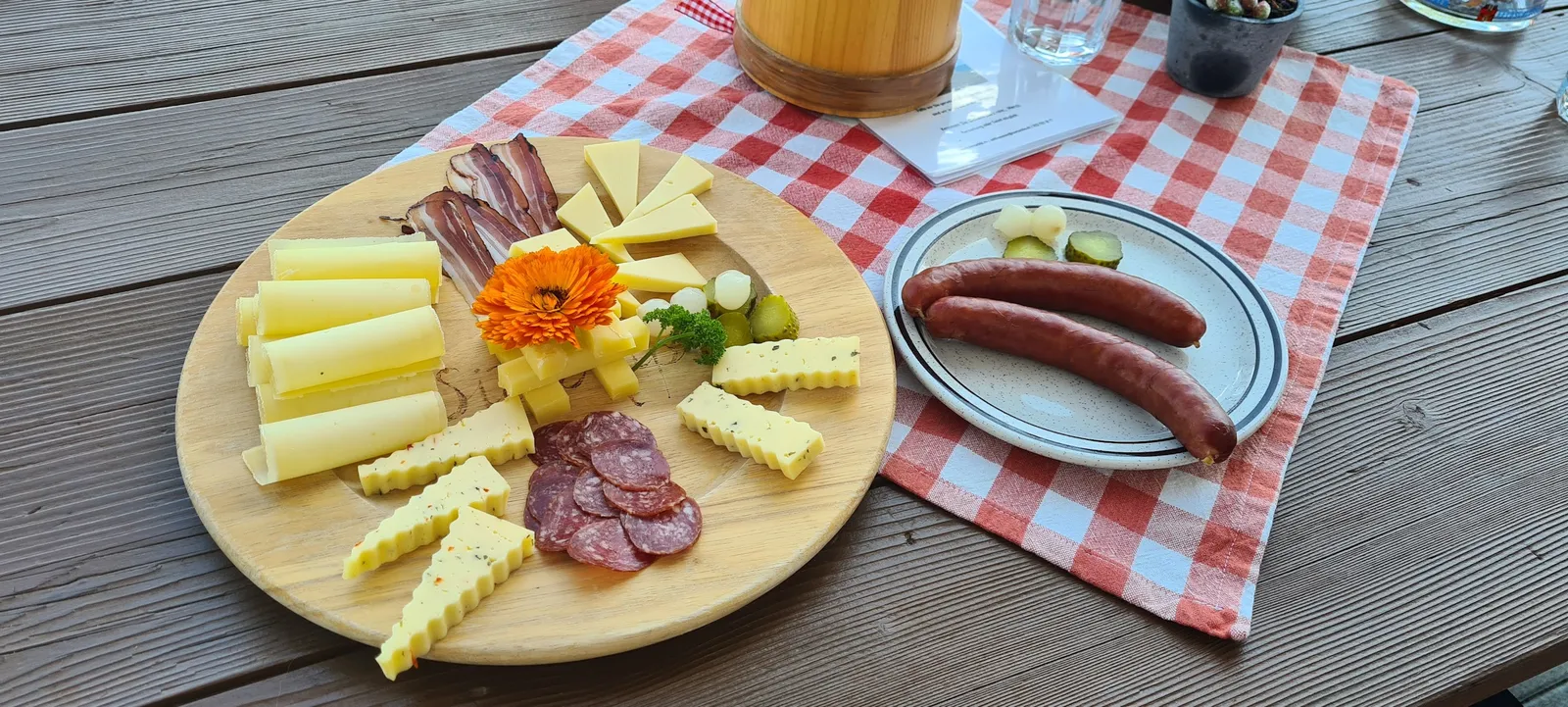
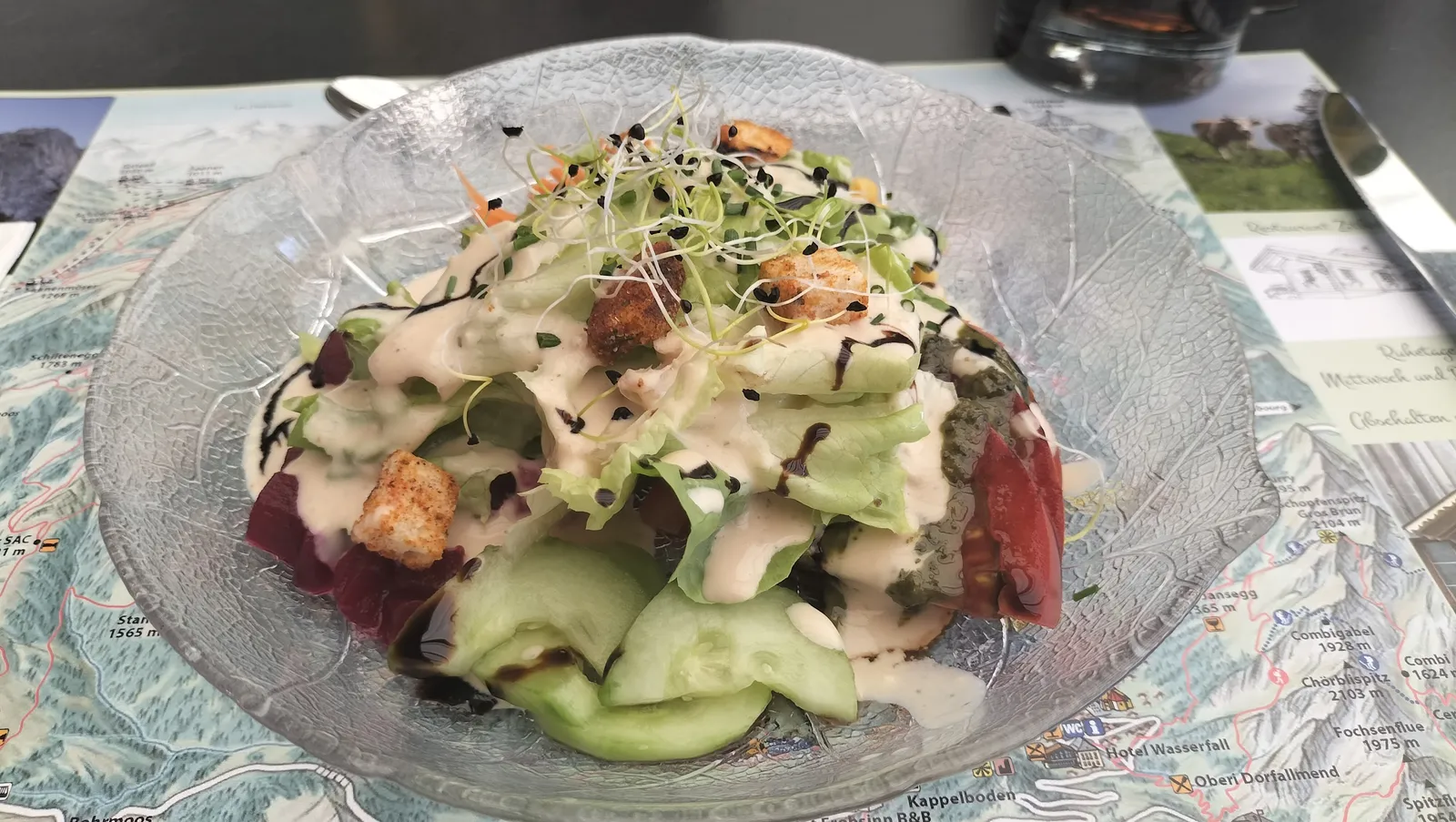
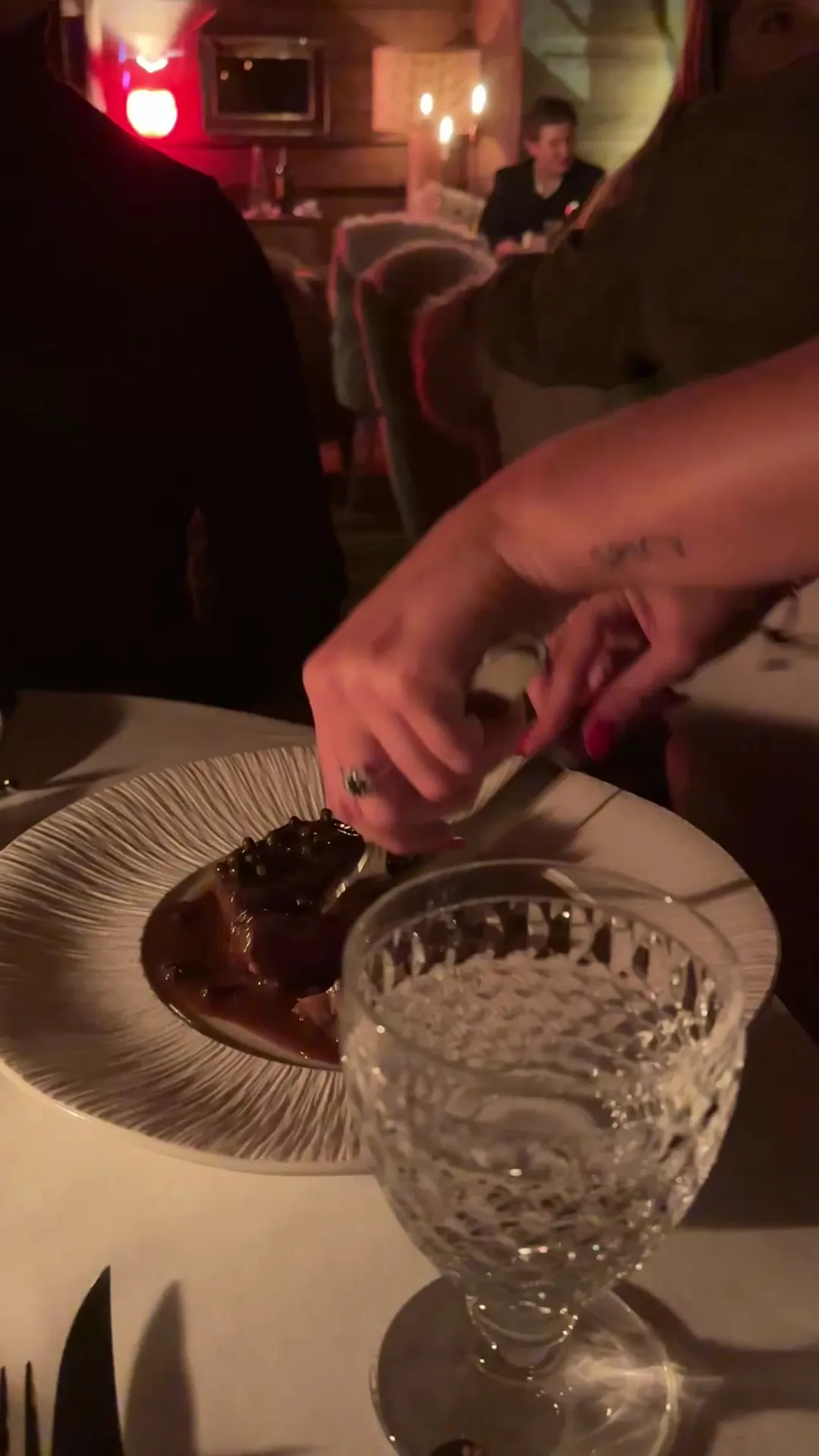
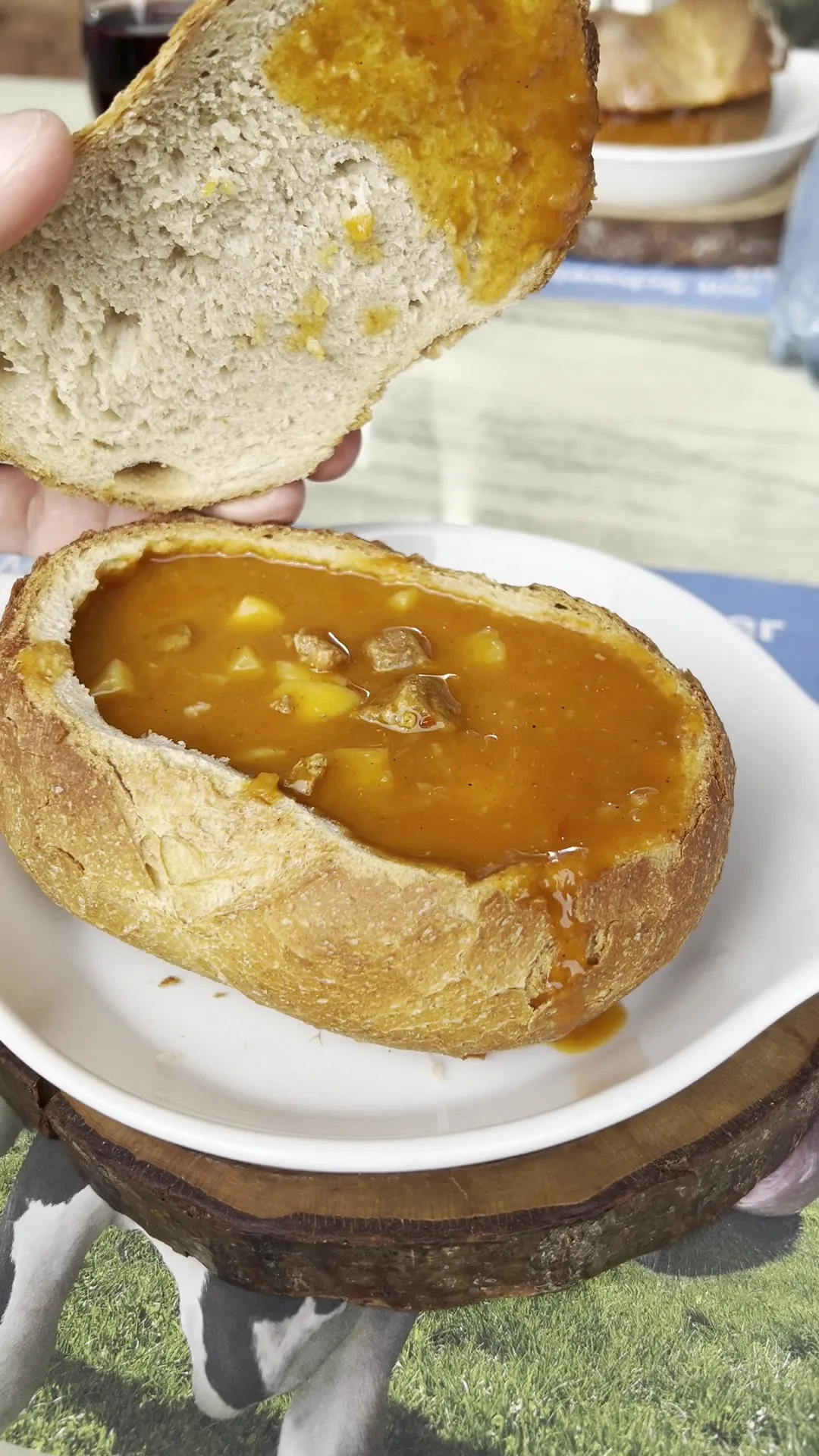
The Saanen Swiss menu is built on: fondue and raclette (as everywhere), but also cervelas grillé (grilled local sausage), alpine lamb ragout, Älplermagronen, and a specifically local take on Saanen rösti — thinner, crisper, sometimes with bacon fat rather than butter. The house wine is typically Chasselas from the Lavaux or a Dôle from the Valais. Local schnapps (williamine, framboise, mirabelle) are offered as digestif and are taken seriously.
Booking & practical
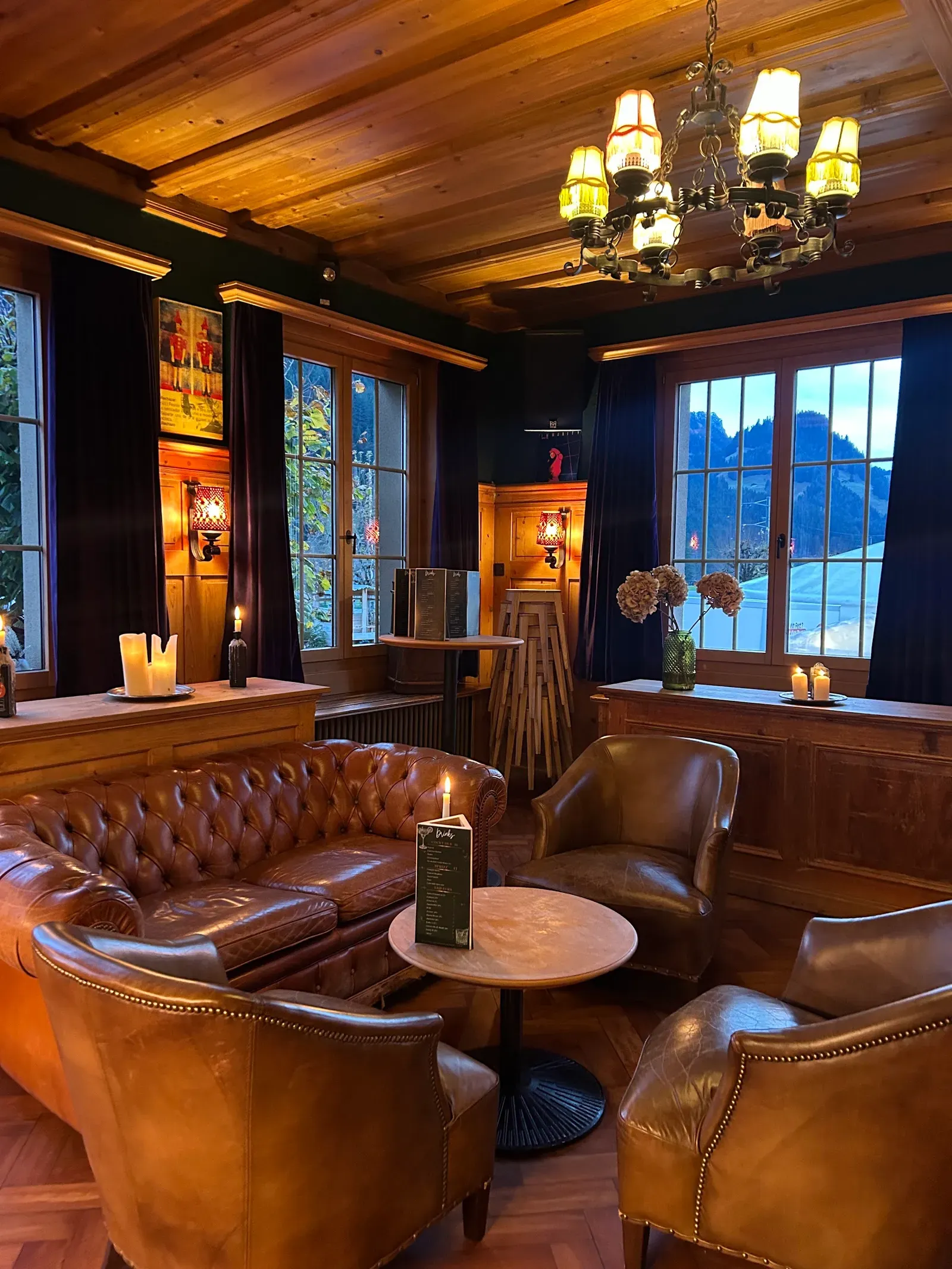
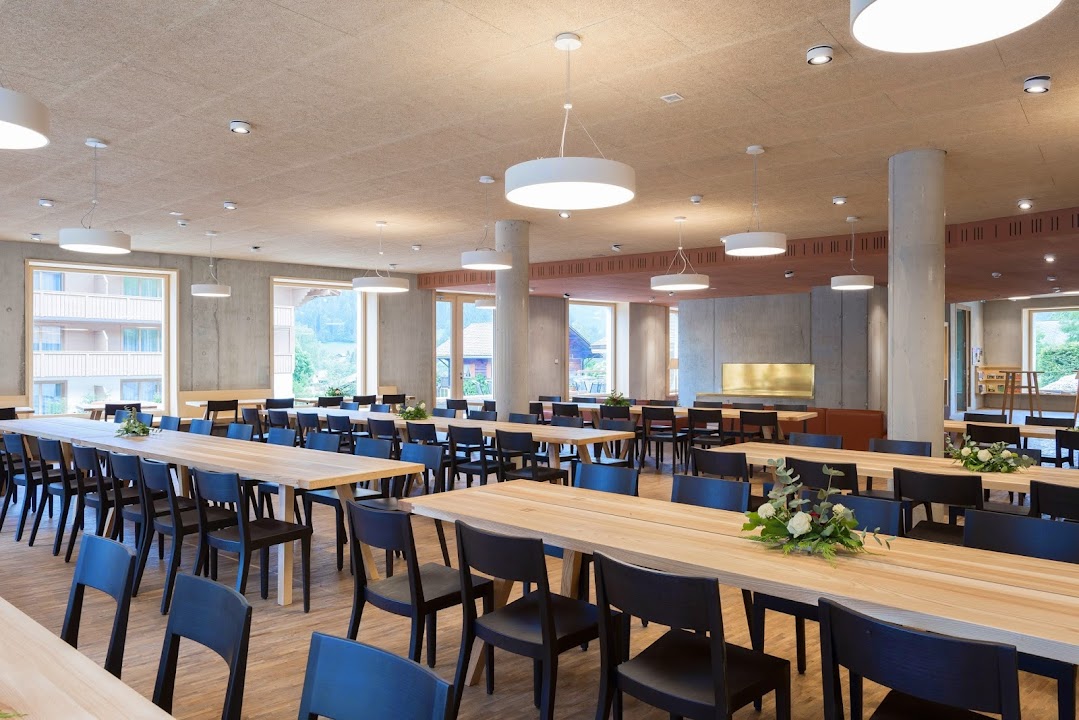
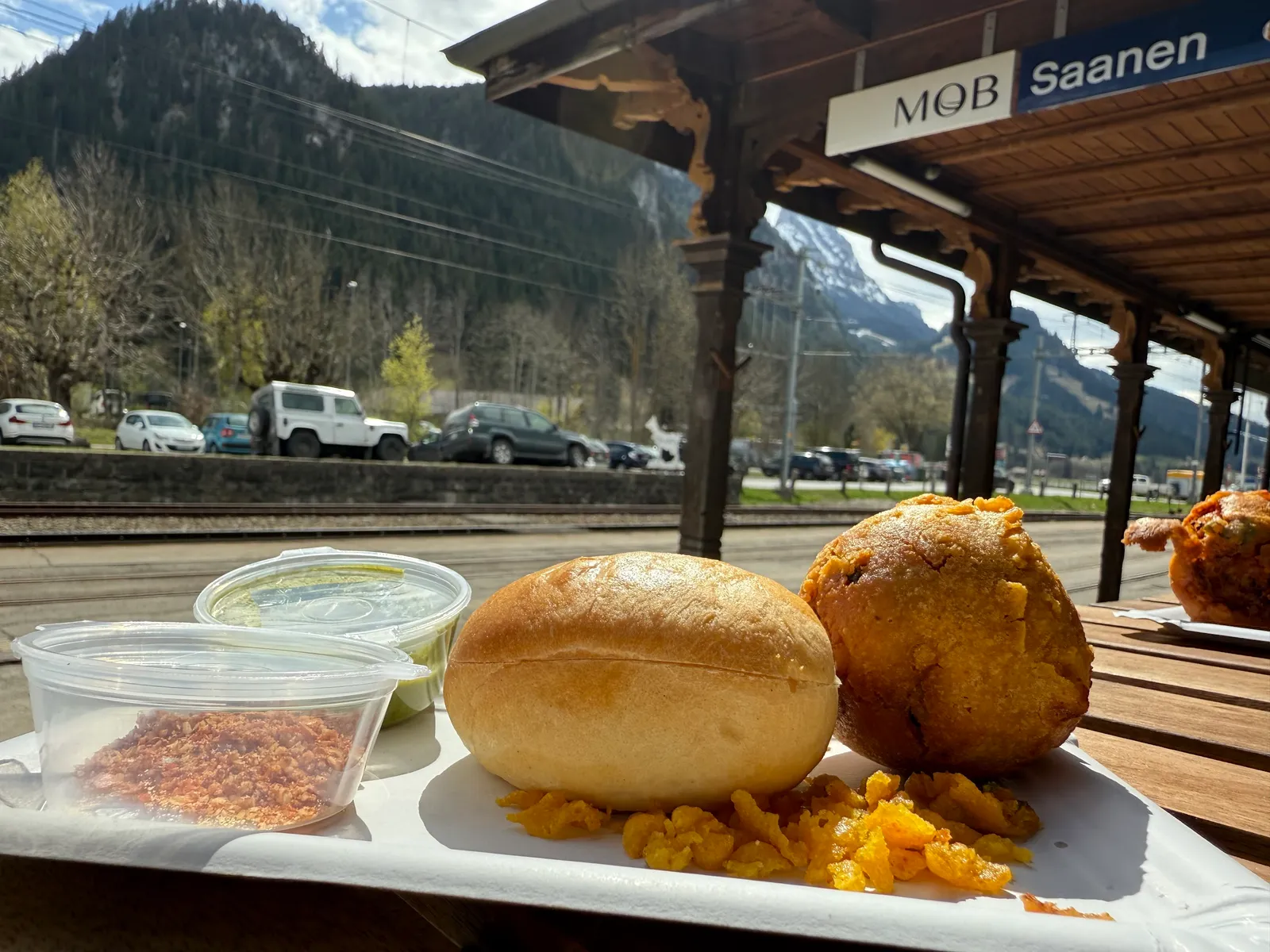
Saanen Swiss restaurants are walk-in friendly for weekday lunch and early evening; weekend dinners and peak winter weeks benefit from 2-3 days notice. Most have small dining rooms (20-40 seats) so they do fill. Parking is free. The village is 4 minutes by MOB train from Gstaad; taxi is CHF 15.