
The Rougemont tradition
Swiss in Rougemont, and why it's worth the detour
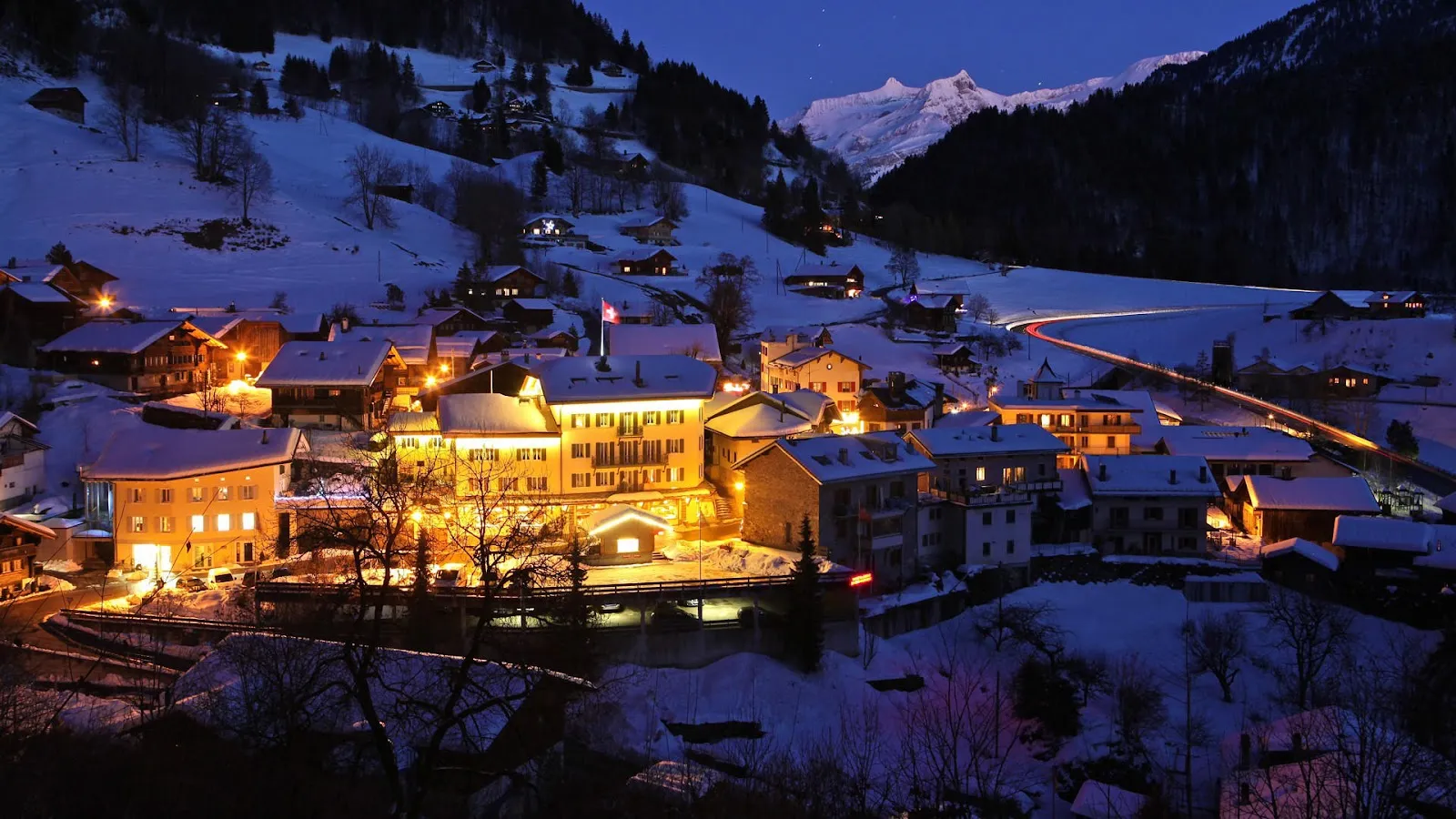
Rougemont's Swiss cooking tilts French. You are in canton Vaud here; the culinary vocabulary shifts from Rösti to Pommes Dauphine, from Wurst to Saucisses aux Choux, from Bernerplatte to Papet Vaudois. The village's restaurants combine this Vaudois-Alpine tradition with the standard Saanenland mountain-hut repertoire — the result is distinctly different from anything in Gstaad or Schönried, even though it is only 5 kilometres away.
History & context
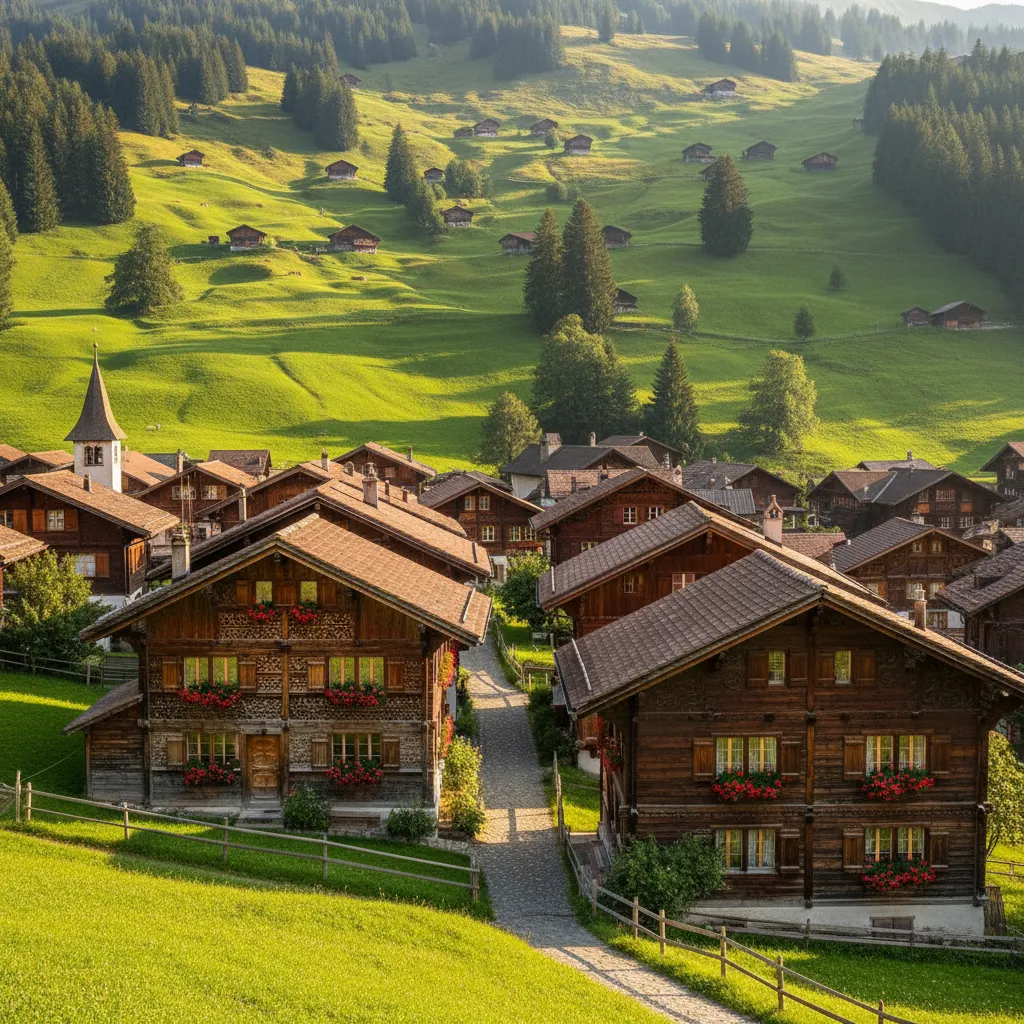
Rougemont belonged to the Bishopric of Lausanne until the Reformation, then to canton Bern until 1798, and finally to canton Vaud. That layered history shows in the food: a German-Swiss mountain-farm base overlaid with French-Swiss Vaudois refinement. Many of the village's current restaurants have been operating for 50-100 years in the same buildings; the cooking style has been stable for most of that time.
What to order
Key Rougemont dishes: Saucisses aux Choux (cabbage sausage, a Vaudois specialty), Papet Vaudois (leek and potato stew served with sausage), Fondue Fribourgeoise (heavier cheese fondue with Vacherin only), and the standard Gruyère d'Alpage cheese from the Pays-d'Enhaut. Drink Chasselas from the Vaud (Dézaley, Calamin, Epesses are the top AOCs). Desserts often feature meringues with double cream from La Gruyère.
Booking & practical
Rougemont is in the French-speaking part of the Saanenland, so menus and staff are primarily French-speaking (English widely available). The village is 8 minutes from Gstaad by MOB train. Parking is easier than in Gstaad. Most restaurants open year-round; shoulder-season closures are shorter here than in Gstaad.